Hey there! I'm a supplier of fumigation-free pallets, and today I want to talk about how to dispose of these pallets. As someone in the business, I've seen a lot of questions about this, so I thought I'd share some insights.
Why Fumigation - Free Pallets?
First off, let's quickly touch on why fumigation-free pallets are so popular. They're a great option because they don't require the use of harmful chemicals to prevent pests. This makes them more environmentally friendly and also easier to handle in international trade. You don't have to worry about meeting strict fumigation regulations when shipping goods on these pallets.
Different Types of Fumigation - Free Pallets
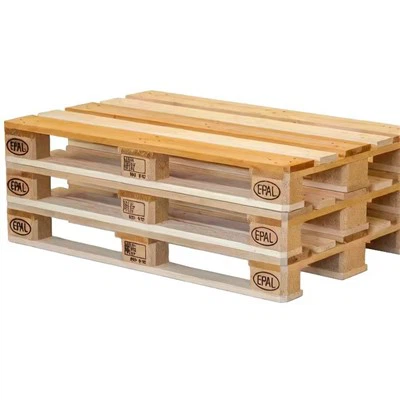
There are several types of fumigation-free pallets out there. For example, European Standard Pallets are widely used in Europe. They have specific dimensions and are designed to fit well in European logistics systems. Then we have Glulam Pallets, which are made from glued laminated wood. These pallets are strong and durable, perfect for heavy loads. And don't forget about American Standard Pallets, which are commonly used in the United States and follow the standards set there.
Disposal Methods
Now, let's get to the main topic: how to dispose of these pallets.

Recycling
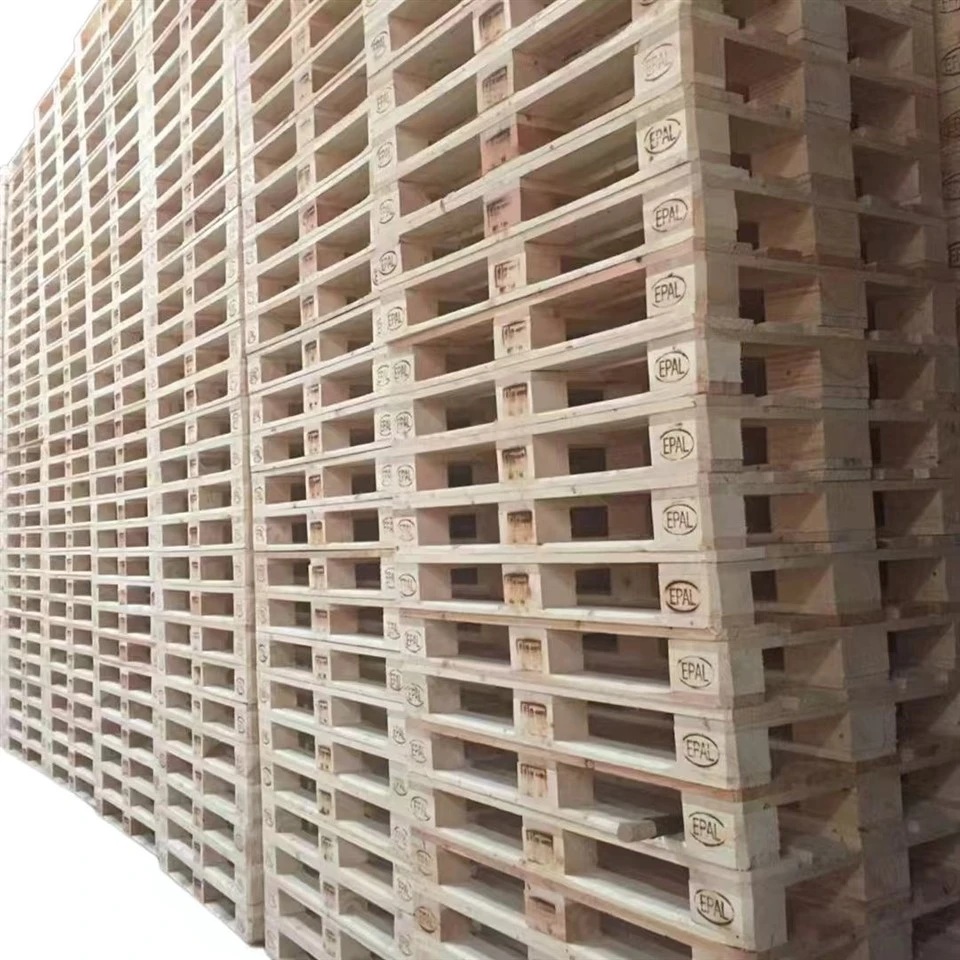
Recycling is one of the best ways to dispose of fumigation-free pallets. Many recycling centers accept wooden pallets. They can break down the pallets and use the wood for other purposes, like making new pallets, furniture, or even fuel. Before taking your pallets to a recycling center, make sure to check their requirements. Some might only accept pallets in good condition, while others can handle damaged ones too.
Reuse
If your pallets are still in good shape, you can try to reuse them. Maybe you can use them in your own warehouse for storage or move some light items around. Or, you could sell them to someone who needs pallets. There are online marketplaces where you can list your used pallets for sale. You might be surprised at how many people are looking for affordable pallets.
Donation
Another option is to donate your pallets. Local community centers, schools, or small businesses might be interested in using them. For example, a school could use pallets to build a small stage for a play, or a community center could use them for storage. It's a great way to give back to the community and make sure your pallets don't go to waste.
Landfill (as a last resort)
If none of the above options work, you can consider sending your pallets to a landfill. But this should really be a last resort. Landfills take up a lot of space, and wooden pallets can take a long time to decompose. Also, some areas have restrictions on what can be put in landfills, so make sure to check the local regulations first.
Factors to Consider Before Disposal
Before you decide on a disposal method, there are a few things you should consider.
Condition of the Pallets
If your pallets are in good condition, recycling or reusing them is a great idea. But if they're severely damaged, it might be better to look into other options like donation or landfill.
Quantity of Pallets
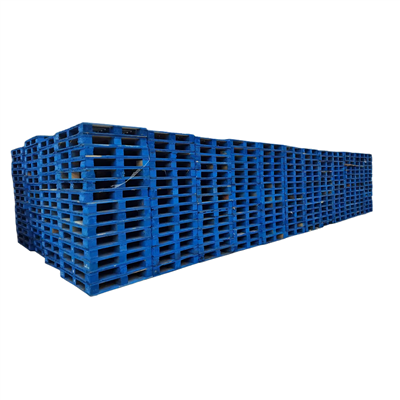
If you have a large number of pallets, recycling or selling them in bulk might be more cost - effective. You can negotiate better prices with recycling centers or find a larger buyer for your used pallets.
Local Regulations
Different areas have different regulations regarding the disposal of wooden pallets. Some places might require you to have your pallets treated before disposal, while others might have specific rules about where you can take them. Make sure to do your research and follow the local laws.
Tips for Disposal
- Clean the Pallets: Before you dispose of your pallets, clean them as much as possible. Remove any dirt, debris, or labels. This will make the recycling or reuse process easier.
- Separate the Parts: If your pallets have metal nails or other non - wooden parts, try to separate them. This will make it easier for the recycling center to process the wood.
- Keep Records: If you're recycling or donating your pallets, keep records of the transaction. This can be useful for tax purposes or to prove that you've disposed of the pallets properly.
Conclusion
Disposing of fumigation - free pallets doesn't have to be a headache. By considering the different disposal methods, the condition of your pallets, and local regulations, you can make an informed decision. Whether it's recycling, reusing, donating, or as a last resort, sending them to a landfill, there's a way to handle your pallets responsibly.
If you're in the market for high - quality fumigation - free pallets or have any questions about pallet disposal, feel free to reach out. We're here to help you with all your pallet needs!
References
- "Pallet Recycling Guide", Environmental Protection Agency
- "Wooden Pallet Standards and Regulations", International Standards Organization