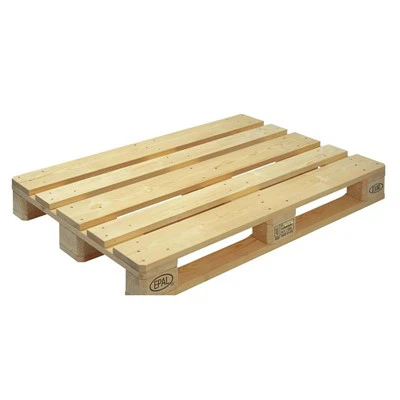
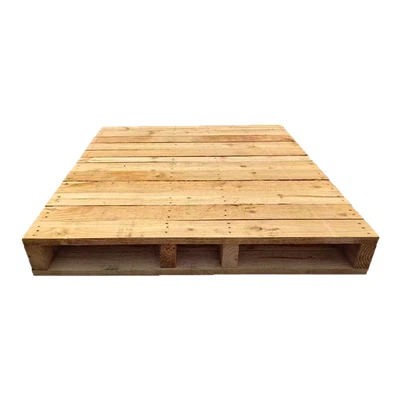
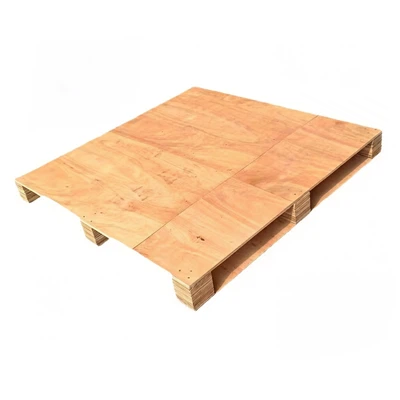
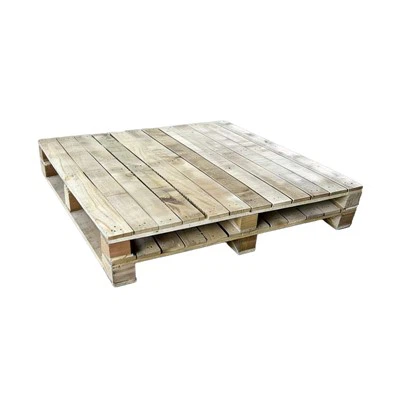
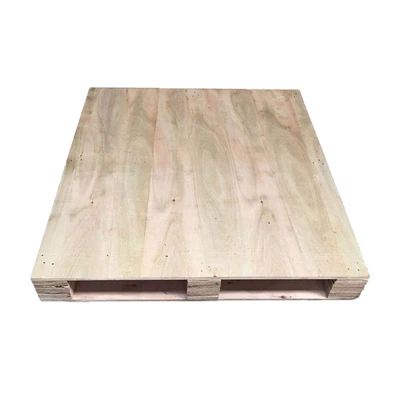
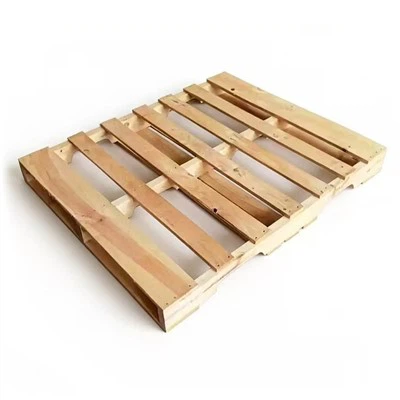
From a structural perspective, wooden pallets are commonly categorized into block pallets, stringer pallets, and full-perimeter (double-deck) pallets. Block pallets, built with blocks as supports, are lightweight and cost-effective, making them suitable for one-way export and light-duty applications. Stringer pallets feature longitudinal beams, allowing two-way forklift entry while offering a balance between durability and cost. Full-perimeter pallets provide stronger load capacity and are ideal for heavy-duty use and high-frequency handling.
Based on usage, wooden pallets can be classified as single-face or double-face. Single-face pallets are widely used in standard storage and transport operations due to their flexibility. Double-face pallets, which can be used on both sides, offer better load distribution and stability but come at a higher cost, making them suitable for more demanding applications.
In terms of forklift access, pallets can also be divided into two-way and four-way entry designs. Four-way entry pallets enhance handling efficiency and are especially beneficial in automated warehouse systems.
For buyers, selecting the right pallet type requires careful consideration of load weight, handling frequency, transportation methods, and budget. A well-matched choice ensures both operational safety and optimal logistics performance.