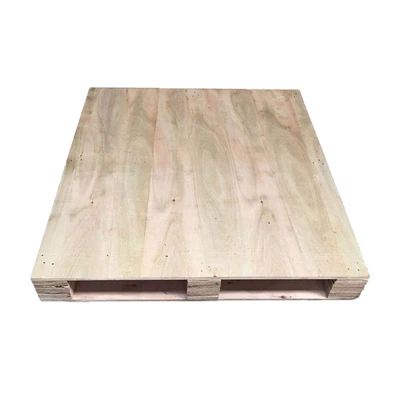
The fundamental characteristics of wooden pallets can be summarized in terms of structure, performance, and versatility:
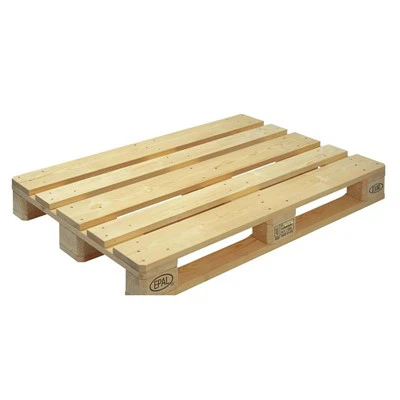
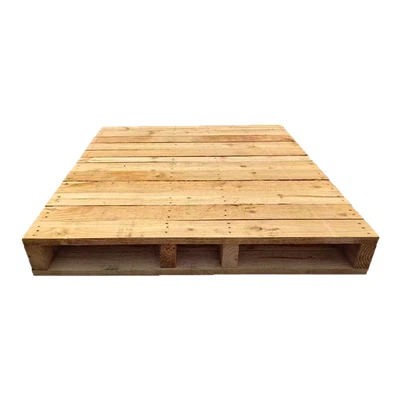
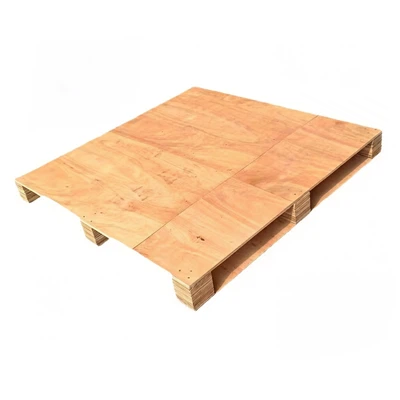
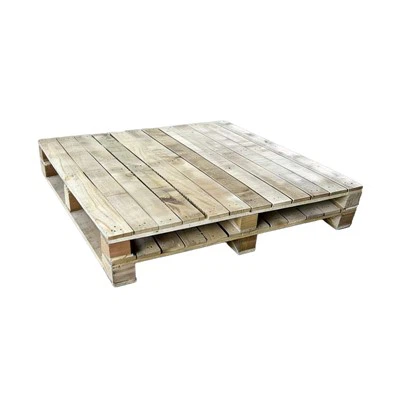
Structurally, wooden pallets are typically composed of deck boards, stringers or blocks, and bottom boards. Common designs include block pallets, stringer pallets, and double-deck configurations. This modular structure allows for easy repair, replacement, and compatibility with forklifts and pallet handling equipment.
In terms of performance, wooden pallets offer strong load-bearing capacity and good impact resistance, meeting the needs of most storage and transportation applications. The natural wood surface provides anti-slip properties and ventilation, helping maintain stable conditions for stored goods.
Regarding versatility, wooden pallets can be customized in size and design to match different cargo and logistics standards. They can also be heat-treated or fumigated to comply with international phytosanitary regulations such as ISPM 15. Compared to alternative materials, wooden pallets are cost-effective and suitable for both one-way export shipments and repeated use.
Overall, wooden pallets combine cost efficiency, practicality, and wide applicability, making them one of the most widely used load carriers in global supply chains.