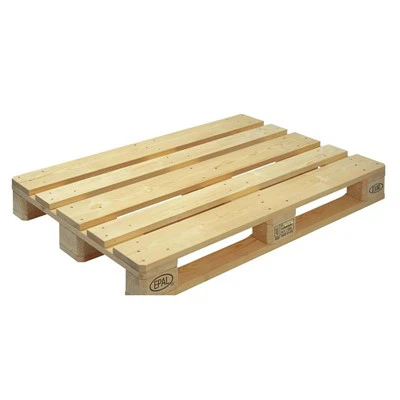
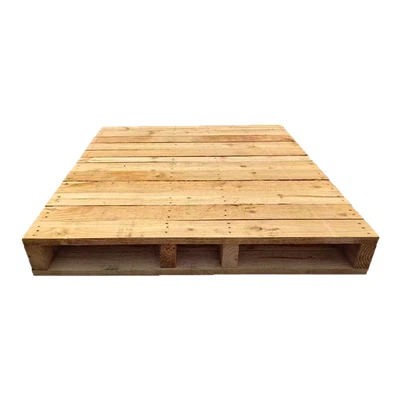
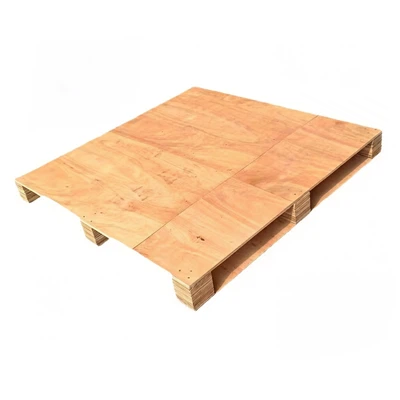
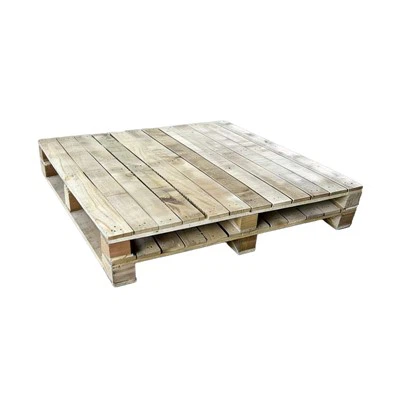
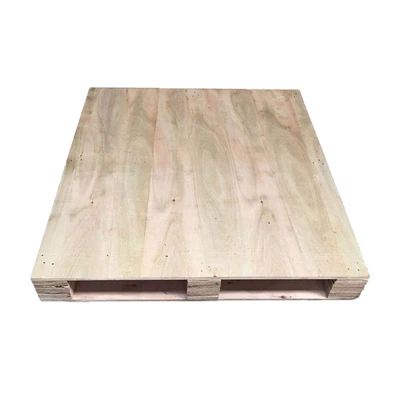
In international logistics and export transportation systems, fumigated pallets-typically made from solid wood-are widely used due to their compliance and load-bearing performance in cross-border trade. For buyers, understanding their key characteristics helps improve selection accuracy and customs efficiency.
In terms of materials, fumigated pallets are usually made from natural softwoods or hardwoods such as pine or poplar. They retain the inherent strength of solid wood, making them suitable for medium to heavy-duty cargo transport.
Regarding treatment, these pallets must undergo fumigation or heat treatment to eliminate harmful organisms in the wood, complying with international phytosanitary standards such as ISPM 15 and ensuring export compliance.
Structurally, fumigated pallets often use nailed or reinforced frame designs. They offer strong overall stability and impact resistance, making them suitable for long-distance transport and repeated handling.
In terms of performance, they provide stable load-bearing capacity and are suitable for machinery, industrial components, and bulk cargo. They also offer a certain cushioning effect that helps reduce vibration damage during transit.
In application, fumigated pallets are primarily used in export trade and international logistics environments with strict quarantine requirements, serving as a fundamental packaging solution for cross-border shipping.
Overall, the key characteristics of fumigated pallets lie in reliable materials, solid structure, and compliant treatment, making them an essential option for international transport and heavy-duty logistics needs.