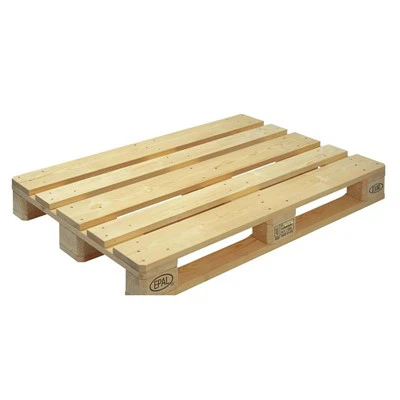
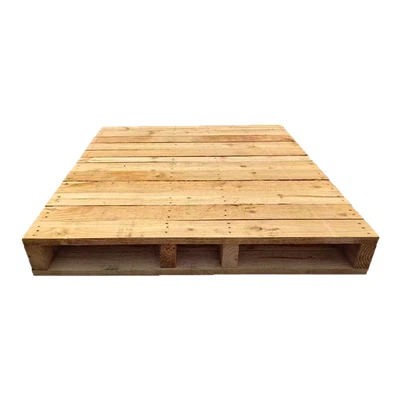
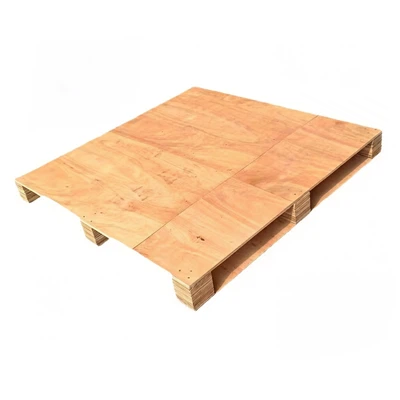
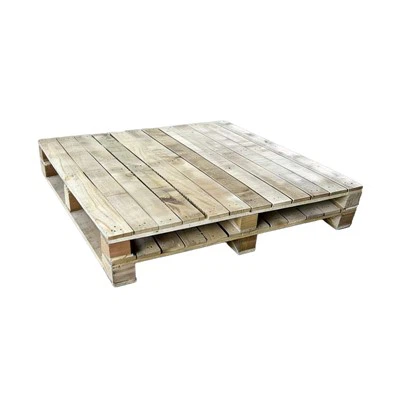
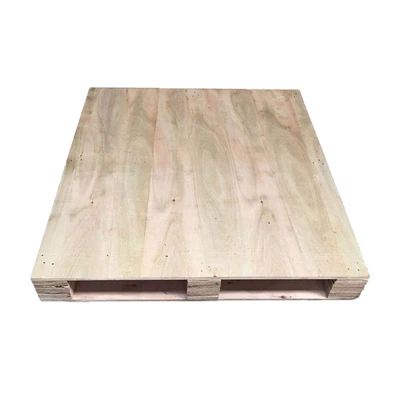
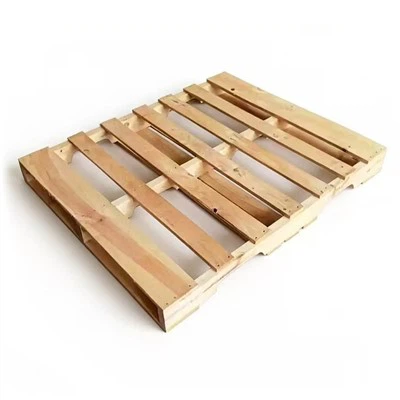
In modern logistics and warehousing operations, the maintenance level of wooden pallets directly affects their service life and operational safety. For buyers and users, establishing a proper maintenance system helps reduce losses and improve overall cost efficiency.
First, after daily use, pallet surfaces should be cleaned promptly to remove dust, oil, or residues. This prevents long-term contamination that may affect structural performance or accelerate wood aging.
Second, regular inspections should be carried out to check structural integrity, including cracks in deck boards, loosened fasteners, and deformation in support structures. Any damage should be repaired or replaced immediately to avoid unsafe use.
In terms of storage conditions, pallets should be kept in a dry and well-ventilated environment, avoiding prolonged exposure to moisture or direct sunlight, which may cause swelling, cracking, or warping.
For usage management, pallets should be categorized according to load capacity and used accordingly to prevent overloading or misuse caused by mixing different specifications.
Additionally, for high-frequency turnover pallets, regular rotation or flipping is recommended to ensure even wear and extend overall service life.
Overall, effective pallet maintenance is based on regular inspection, proper storage, and standardized usage. A systematic management approach can significantly extend service life and reduce long-term operational costs.