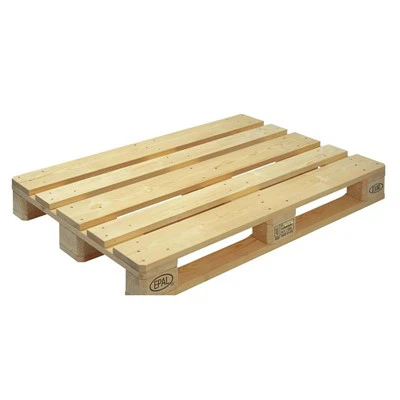
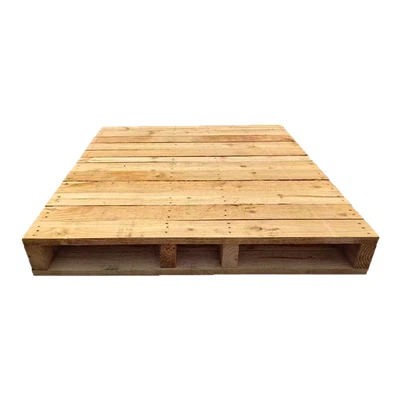
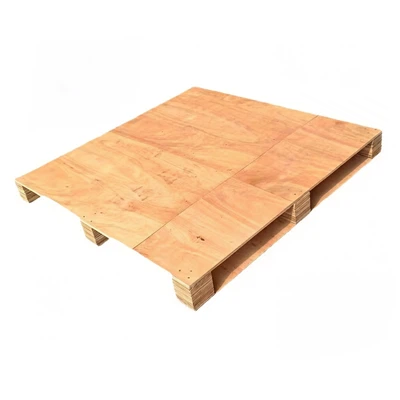
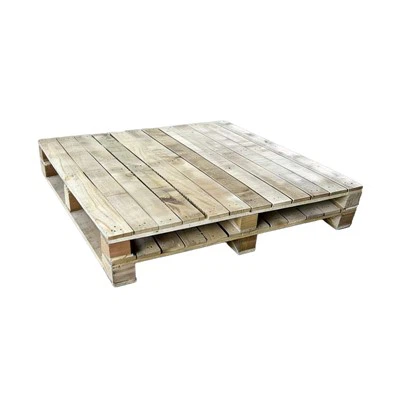
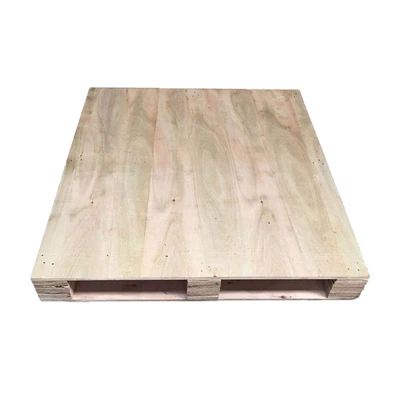
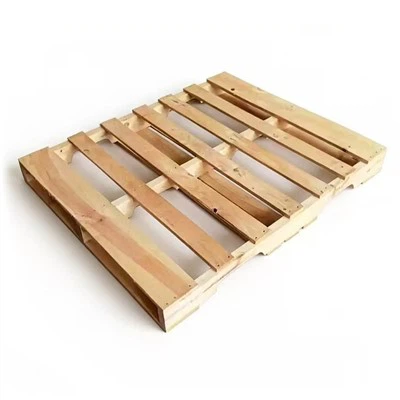
In industrial packaging and logistics, the structural design of wooden crates directly determines their protective performance and operational efficiency. For buyers, understanding these structural features is essential for selecting the right packaging solution for different cargo requirements.
A wooden crate typically consists of a frame structure, panel system, and reinforcement connectors. The frame serves as the load-bearing core, defining overall stability. Panels form the enclosed or semi-enclosed structure, providing basic protection. Connectors reinforce the entire structure, preventing loosening or deformation during transport.
Structurally, wooden crates are commonly categorized into fully enclosed, framed, and hybrid designs. Fully enclosed crates offer the highest level of protection and are suitable for precision equipment and high-value goods. Framed crates are lighter and easier to handle, allowing visibility and convenient loading. Hybrid structures combine flexibility with reusability, making them suitable for repeated logistics cycles.
In detailed design, reinforcement is often added based on cargo weight, such as additional cross supports, strengthened base beams, or corner protection structures. These enhancements improve compressive strength and impact resistance while also increasing stacking stability and space utilization efficiency.
Overall, the core of wooden crate structure lies in balancing load stability, protective integrity, and operational flexibility. Buyers should select structures that best match their cargo conditions and transport requirements to achieve both safety assurance and cost efficiency.