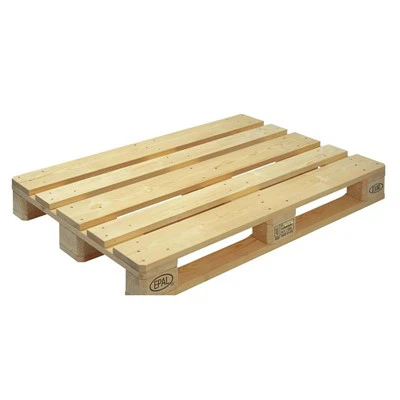
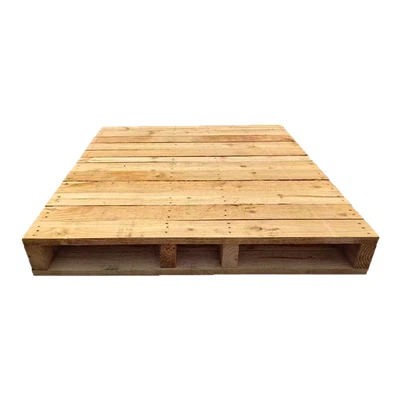
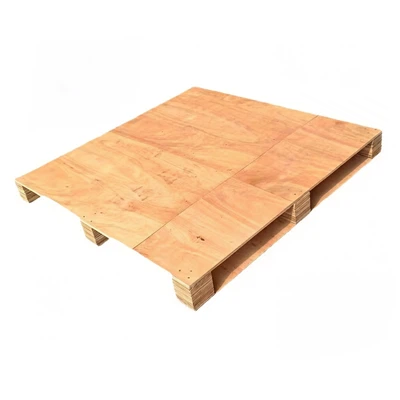
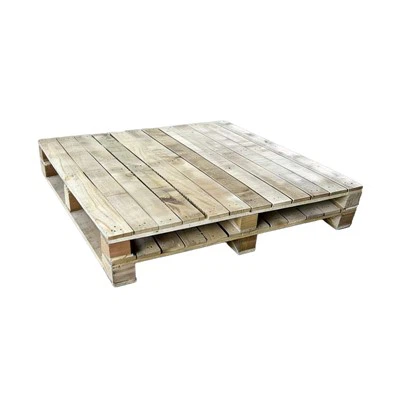
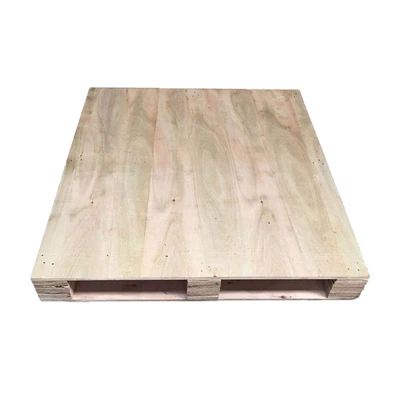
As supply chain management continues to improve, wooden pallets remain essential in industrial logistics while also gaining attention for their manufacturing quality and extended applications. Understanding how they are produced and used can help buyers make more cost-effective decisions.
In terms of manufacturing, wooden pallets are typically made from pine, poplar, or hardwood through processes such as cutting, drying, shaping, and assembly. Proper drying controls moisture content and reduces the risk of warping or cracking. Assembly is usually completed with nailing or reinforced structures to ensure strength and load stability. For export purposes, pallets must undergo heat treatment or fumigation to comply with international phytosanitary standards such as ISPM 15, ensuring smooth customs clearance.
Beyond traditional logistics uses such as storage, transportation, and handling, wooden pallets also have practical applications in everyday settings. They can serve as low-cost support platforms in temporary storage, be used in retail or exhibition displays, and even be repurposed into simple furniture or decorative elements, supporting sustainable reuse.
For buyers, evaluating manufacturing processes helps ensure consistent quality and durability, while understanding broader application scenarios can improve utilization and reduce overall costs. Wooden pallets that balance quality, compliance, and versatility provide long-term value in modern supply chains.