Are solid wood pallets subject to import/export regulations? As a solid wood pallets supplier, I've been asked this question quite a few times. And let me tell you, it's a topic that's super important for anyone involved in the international trade of goods.
First off, yes, solid wood pallets are subject to import/export regulations. The main reason behind these regulations is to prevent the spread of pests and diseases that can be carried by the wood. You see, wood can harbor all sorts of critters like beetles, fungi, and other organisms that can cause damage to forests and agricultural crops in the importing country.
For example, the International Plant Protection Convention (IPPC) has set up a standard called ISPM - 15. This standard requires that all solid wood packaging materials, including pallets, be treated to kill any pests. The most common treatments are heat treatment (HT) and methyl bromide fumigation (MB). When a pallet is treated according to ISPM - 15, it gets a special mark on it. This mark shows that the pallet has been properly treated and meets the international standards for import.
Now, different countries might have their own additional regulations on top of the ISPM - 15. Some countries are more strict about the type of treatment, the documentation required, or the origin of the wood. For instance, Australia and New Zealand are known for having very strict regulations when it comes to importing solid wood pallets. They want to protect their unique ecosystems from any potential threats.
As a supplier, I've had to deal with these regulations on a regular basis. It's not always easy, but it's crucial to follow them to avoid any issues at the border. We make sure that all our pallets are treated according to the ISPM - 15 standard. We also keep detailed records of the treatment process, which is something that customs officials often ask for.
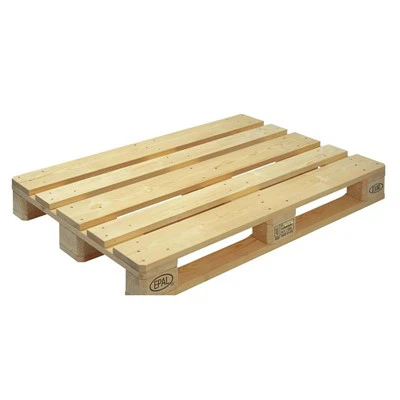
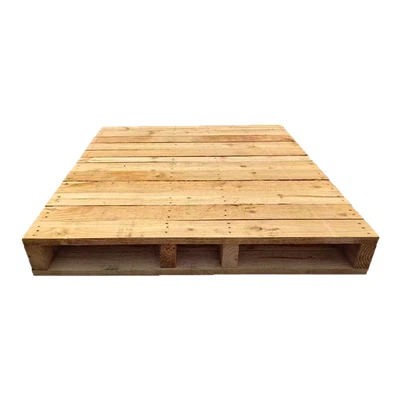
Let me give you an idea of the different types of solid wood pallets we offer. We have the Universal Pallets. These are really versatile and can be used in a wide range of industries. They're strong, durable, and can handle heavy loads. Then there's the Black Wood Pallet. This type of pallet has a unique look and is often used for more high - end or specialized applications. And we also have the Square Wood Pallet, which is great for stacking and storing goods in a more organized way.
When it comes to exporting our pallets, we have to make sure that we provide all the necessary documentation. This includes a phytosanitary certificate, which is issued by the relevant plant protection authority in our country. This certificate states that the pallets have been inspected and meet the import requirements of the destination country.
Another thing to keep in mind is that if a pallet doesn't meet the import regulations, it can be rejected at the border. This can cause a lot of problems for both the supplier and the buyer. The pallet might have to be sent back, which means additional costs for shipping and storage. And it can also lead to delays in the delivery of the goods that are being transported on the pallets.
So, how do we ensure that our pallets are compliant? Well, we work closely with a certified treatment provider. They have the expertise and equipment to carry out the heat treatment or fumigation process correctly. We also have a quality control system in place to check the pallets before they are shipped. This includes inspecting the pallets for any signs of damage or pests.
It's also important to stay updated on the latest regulations. The rules can change over time, and it's our responsibility as suppliers to make sure that we're following the most current requirements. We subscribe to industry newsletters and attend trade shows to keep ourselves informed.
If you're in the market for solid wood pallets and are planning to import or export them, it's essential to do your research. You need to know the regulations of the countries you're dealing with. And if you have any questions, don't hesitate to reach out to us. We're here to help you navigate through the complex world of import/export regulations for solid wood pallets.
In conclusion, solid wood pallets are definitely subject to import/export regulations. But with the right knowledge and proper treatment, you can ensure that your pallets meet the requirements and get through customs smoothly. Whether you're a small business or a large corporation, we can provide you with high - quality solid wood pallets that are compliant with all the necessary regulations.
If you're interested in purchasing our solid wood pallets or have any questions about the import/export process, feel free to get in touch. We're always happy to have a chat and discuss how we can meet your needs.


References
- International Plant Protection Convention (IPPC). International Standards for Phytosanitary Measures (ISPM).
- Various national plant protection authorities' websites for specific country regulations.