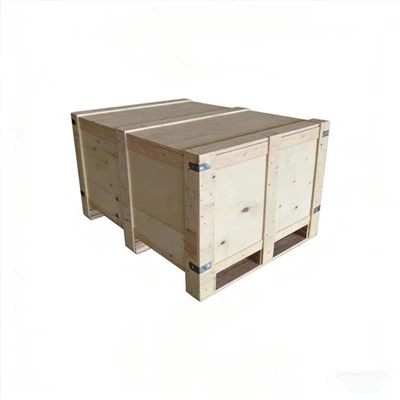
Hey there! As a supplier of plywood wooden pallets, I often get asked if these pallets can be used for shipping perishable goods. It's a great question, and one that deserves a thorough answer.
First off, let's talk about what perishable goods are. These are items that have a limited shelf - life and can spoil or degrade quickly. Think of fresh fruits and vegetables, dairy products, meats, and even some pharmaceuticals. When shipping these goods, maintaining the right conditions is crucial to keep them in good quality until they reach their destination.
So, can plywood wooden pallets do the job? Well, the answer is yes, but with some important considerations.
Advantages of Using Plywood Wooden Pallets for Perishable Goods
1. Durability
Plywood is a sturdy material. It can handle the weight of heavy loads of perishable goods without breaking or warping easily. This is super important because during shipping, pallets go through a lot of rough handling. They're lifted by forklifts, stacked on top of each other, and sometimes even thrown around a bit. A durable pallet ensures that the goods stay in place and aren't damaged during transit. For instance, if you're shipping crates of apples, a strong plywood pallet can keep the crates stable and prevent them from toppling over.
2. Hygiene
Good - quality plywood can be relatively clean and free from contaminants. Unlike some other types of wood pallets that might have splinters, cracks, or be home to pests, plywood pallets can be made to meet strict hygiene standards. You can get them treated with anti - microbial agents to prevent the growth of bacteria and fungi, which is a big plus when it comes to shipping food items.
3. Customizability
Plywood pallets can be made in different sizes and shapes to fit the specific needs of your perishable goods. Whether you need a small pallet for a box of delicate pastries or a large one for a bulk shipment of milk cartons, you can have it customized. You can check out MB Pallet on our website for some of our standard and customizable options.
4. Cost - effectiveness
Compared to some other materials used for shipping pallets, plywood is often more affordable. This means that you can keep your shipping costs down, especially when you're dealing with large - scale shipments of perishable goods. And let's face it, in the competitive world of food and pharmaceutical shipping, every penny saved counts.
Challenges and How to Overcome Them
1. Moisture
Perishable goods often require a certain level of humidity control, and moisture can be a double - edged sword for plywood pallets. On one hand, if the pallets get too wet, the plywood can start to delaminate, losing its strength. On the other hand, extremely dry conditions can cause the wood to shrink and crack.
To deal with this, you can use waterproof or moisture - resistant plywood. There are also treatments available that can be applied to the pallets to make them more resistant to water. Additionally, using pallet covers or packaging that can protect the pallets from direct contact with water or excessive moisture can be a great solution.
2. Temperature
Extreme temperatures can also affect the performance of plywood pallets. In very cold conditions, the wood can become brittle, and in hot environments, it might expand. To handle this, you need to make sure that the shipping environment for your perishable goods is well - regulated. If you're using refrigerated trucks or containers, the temperature inside should be maintained at a level that won't harm the pallets.
3. Regulations
When shipping perishable goods, there are often strict regulations regarding the materials used for packaging and shipping. Different countries and regions have their own rules about the use of wood pallets, especially when it comes to preventing the spread of pests and diseases.
You need to make sure that your plywood pallets meet all the relevant phytosanitary requirements. This might involve getting the pallets heat - treated or fumigated. You can work with regulatory agencies or industry experts to ensure that you're compliant.
Specific Examples of Using Plywood Wooden Pallets for Perishable Goods
1. Shipping Fresh Produce
For shipping fresh fruits and vegetables, plywood pallets are a great choice. The durability of the pallets allows them to support the weight of large crates of produce. And because they can be made hygienic, there's less risk of contaminating the food. For example, a large - scale tomato farm might use 40 X 48 Wood Pallets to ship their harvest to different markets. The pallets can be easily loaded onto trucks and transported long distances without much damage.
2. Dairy Products
Dairy products like milk, cheese, and yogurt need to be kept at a cool temperature and in a clean environment. Plywood pallets can be treated to prevent the growth of bacteria and can be used in refrigerated trucks. They provide a stable base for the dairy containers, ensuring that they don't tip over during transit.
3. Pharmaceuticals
Some pharmaceuticals are perishable and need to be shipped under specific conditions. Plywood pallets can be customized to fit the unique packaging requirements of these drugs. They can also be made to meet strict cleanliness and safety standards. For instance, a pharmaceutical company might use US Standard Pallet to ship their temperature - sensitive medications across the country.
Conclusion
In conclusion, plywood wooden pallets can definitely be used for shipping perishable goods. They offer a range of benefits, including durability, hygiene, customizability, and cost - effectiveness. However, there are challenges related to moisture, temperature, and regulations that need to be addressed.
If you're in the business of shipping perishable goods and are looking for reliable plywood wooden pallets, we're here to help. We've got the expertise and the products to meet your shipping needs. Whether you need a small quantity for a local shipment or a large - scale order for international distribution, we can work with you. Just reach out and let's start a conversation about how our plywood pallets can make your shipping process smoother and more efficient.


References
- "Pallet Handbook: A Guide to Pallet Design, Selection, and Use"
- Industry reports on shipping perishable goods
- Regulations on wood pallets from relevant government agencies