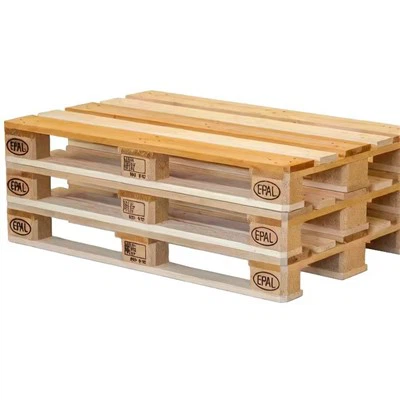
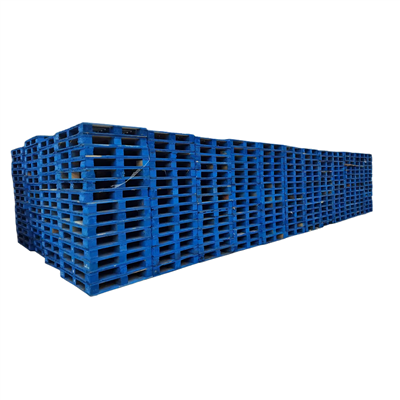
Can black wood pallets be stacked?
As a supplier of black wood pallets, I often get asked whether these pallets can be stacked. The answer is yes, black wood pallets can be stacked, but there are several important factors to consider to ensure safe and efficient stacking.
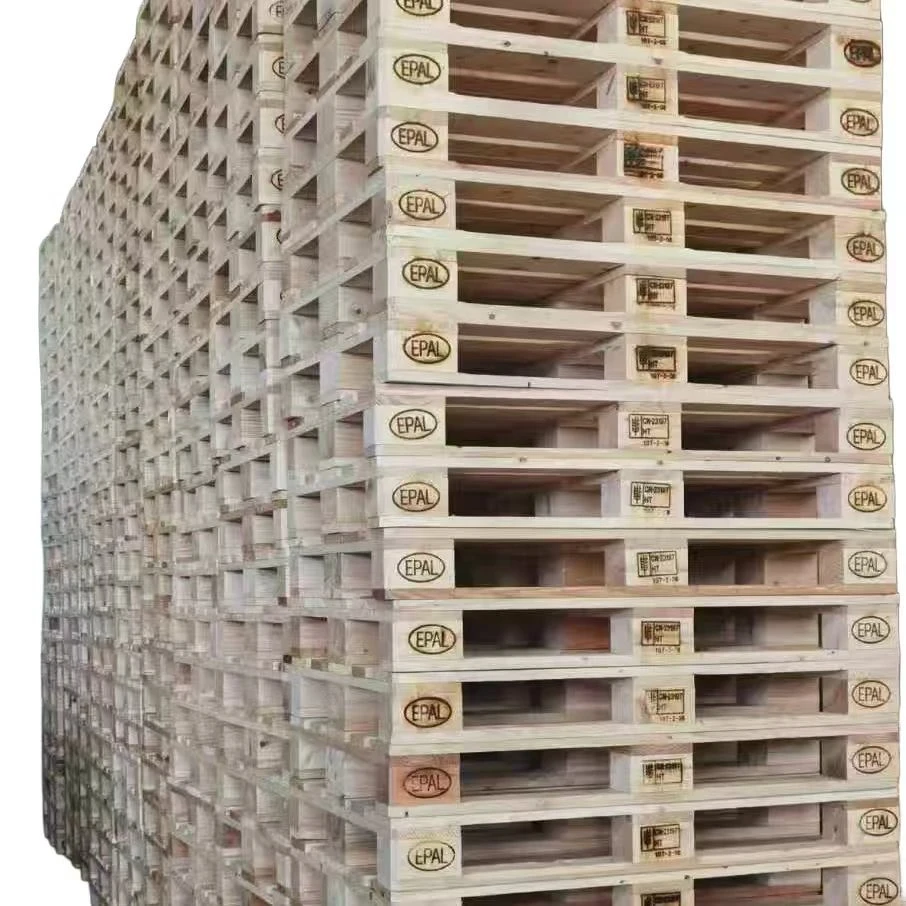

Structural Integrity of Black Wood Pallets
Black wood pallets, like any other type of wooden pallets, are designed to withstand a certain amount of weight. The structural integrity of these pallets depends on the quality of the wood used, the construction method, and the design. High - quality black wood pallets are typically made from strong and durable wood species. The wood is often treated to enhance its strength and resistance to decay, pests, and moisture.
When it comes to stacking, the bottom pallet in a stack must be able to support the weight of all the pallets above it. If the pallets are not well - constructed or if the wood is of poor quality, there is a risk of the bottom pallet collapsing under the weight. This can lead to damage to the pallets, the goods they are carrying, and even pose a safety hazard in the workplace.
Stacking Height and Stability
The stacking height of black wood pallets is an important consideration. In general, the higher the stack, the greater the risk of instability. Factors such as the weight distribution of the goods on the pallets, the surface on which the pallets are stacked, and the overall balance of the stack all play a role in determining the maximum safe stacking height.
For example, if the goods on the pallets are unevenly distributed, it can cause the stack to become top - heavy and more likely to tip over. Similarly, if the stacking surface is not level, it can also affect the stability of the stack. As a general rule, it is recommended to limit the stacking height of black wood pallets to a reasonable level, usually no more than 10 feet (about 3 meters) for most applications.
Loading Capacity and Stacking
The loading capacity of black wood pallets is another crucial factor. Each pallet has a specified maximum load capacity, which is determined by its design and construction. When stacking pallets, it is essential to ensure that the total weight of the pallets and the goods they carry does not exceed the load capacity of the bottom pallet.
Overloading a pallet can cause it to break or deform, which can lead to a chain reaction and cause the entire stack to collapse. To avoid this, it is important to know the load capacity of your black wood pallets and to distribute the weight evenly across the pallets.
Compatibility with Other Pallet Types
In many warehouses and distribution centers, different types of pallets are used. When stacking black wood pallets, it is important to consider their compatibility with other pallet types. For example, if you are stacking black wood pallets alongside European Standard Pallets, you need to ensure that the dimensions and stacking characteristics are compatible.
Some pallets may have different sizes, shapes, or load - bearing capacities, which can affect the stability of the stack. It is also important to note that different pallet types may require different handling and storage methods.
Storage Conditions
The storage conditions of black wood pallets can also impact their ability to be stacked safely. Pallets should be stored in a dry and well - ventilated area to prevent moisture damage. Moisture can cause the wood to rot or warp, which can weaken the pallets and make them less suitable for stacking.
If the pallets are stored outdoors, they should be protected from the elements, such as rain, snow, and direct sunlight. Covering the pallets with a waterproof tarp can help to prevent moisture damage and extend their lifespan.
Benefits of Stacking Black Wood Pallets
Stacking black wood pallets offers several benefits. Firstly, it maximizes the use of storage space. By stacking pallets vertically, you can store more goods in a smaller area, which can be especially beneficial in warehouses with limited space.
Secondly, stacking pallets can improve the efficiency of material handling. When pallets are stacked, they can be easily moved using forklifts or other material - handling equipment. This can reduce the time and effort required to move and store goods.
Special Considerations for Fumigation - free and Blue Pallets
If you are dealing with Fumigation - free Pallets or Blue Pallets Wood, there may be some special considerations. Fumigation - free pallets are often used for international shipping to meet certain phytosanitary requirements. These pallets are treated in a way that eliminates the need for fumigation, which can be a time - consuming and costly process.
When stacking fumigation - free pallets, it is important to ensure that the treatment does not affect the structural integrity of the pallets. Blue pallets, on the other hand, are often used for specific industries or applications. They may have different design features or load - bearing capacities compared to standard black wood pallets.
Contact for Purchase and Negotiation
If you are interested in purchasing black wood pallets or have any questions about their stacking and usage, please feel free to contact us. We have a wide range of black wood pallets available, suitable for various applications. Our team of experts can provide you with detailed information and guidance on the best pallets for your needs. Whether you need a small quantity for a local project or a large order for a distribution center, we can meet your requirements.
References
- "Wooden Pallet Handbook", American Wood Council
- "Pallet Design and Engineering", Institute of Packaging Professionals