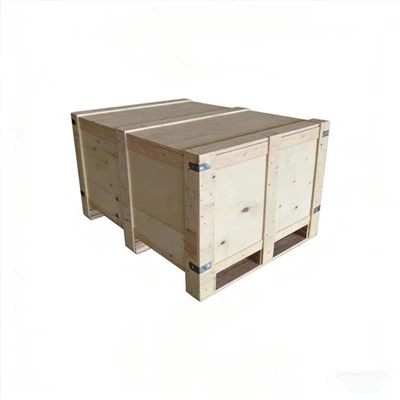
As a supplier of Export Crates, I often receive inquiries about the suitability of our crates for liquid products. This is a crucial question, as the safe and efficient transportation of liquids requires specialized packaging solutions. In this blog, I will delve into the feasibility of using export crates for liquid products, exploring the factors that need to be considered and the potential challenges that may arise.
Understanding the Requirements for Liquid Product Packaging
Before determining whether export crates can be used for liquid products, it is essential to understand the specific requirements for packaging liquids. Liquids are prone to leakage, spillage, and evaporation, which can pose significant risks during transportation. Therefore, the packaging must be designed to prevent these issues and ensure the integrity of the product.
One of the primary considerations is the choice of materials. The crate must be made from a material that is resistant to corrosion, chemicals, and moisture. Wood is a popular choice for export crates due to its strength, durability, and affordability. However, not all types of wood are suitable for liquid products. For example, untreated wood may absorb moisture and cause the liquid to leak or spoil. Therefore, it is recommended to use treated wood or other materials that are specifically designed for liquid packaging.
Another important factor is the design of the crate. The crate must be able to withstand the weight and pressure of the liquid, as well as any external forces that may be encountered during transportation. It should also have a tight-fitting lid to prevent leakage and spillage. Additionally, the crate may need to be equipped with internal dividers or compartments to prevent the liquid from sloshing around and causing damage.
Advantages of Using Export Crates for Liquid Products
Despite the challenges associated with packaging liquids, there are several advantages to using export crates for this purpose. One of the main advantages is the ability to customize the crate to meet the specific needs of the product. Export crates can be designed in a variety of sizes and shapes to accommodate different volumes and types of liquids. They can also be equipped with features such as handles, wheels, and stacking capabilities to make them easier to handle and transport.
Another advantage is the cost-effectiveness of using export crates. Compared to other types of packaging, such as plastic drums or metal containers, export crates are generally more affordable. They are also reusable, which can help to reduce waste and lower the overall cost of packaging.
In addition, export crates are environmentally friendly. Wood is a renewable resource, and using export crates can help to reduce the carbon footprint of the transportation industry. Furthermore, many export crates are made from recycled materials, which further reduces their environmental impact.
Challenges and Considerations
While export crates can be a viable option for packaging liquid products, there are several challenges and considerations that need to be taken into account. One of the main challenges is ensuring the proper sealing of the crate to prevent leakage. This requires the use of high-quality seals and gaskets, as well as proper installation techniques.
Another challenge is the potential for the liquid to react with the materials of the crate. Some liquids may be corrosive or reactive, which can cause damage to the crate and the product. Therefore, it is important to choose a crate that is compatible with the specific liquid being packaged.
In addition, the transportation of liquid products may be subject to regulations and restrictions. Depending on the type of liquid and the destination, there may be specific requirements for packaging, labeling, and documentation. It is important to ensure that all applicable regulations are followed to avoid any legal issues or delays.
Solutions and Best Practices
To overcome the challenges associated with using export crates for liquid products, there are several solutions and best practices that can be implemented. One of the most important solutions is to work with a reputable supplier who has experience in packaging liquid products. A good supplier will be able to provide guidance on the appropriate materials, design, and sealing techniques to ensure the safe and efficient transportation of the liquid.
Another solution is to conduct thorough testing and quality control before shipping the product. This can include leak testing, pressure testing, and compatibility testing to ensure that the crate and the product are compatible and that the packaging is able to withstand the rigors of transportation.


In addition, it is important to follow best practices for handling and storing the liquid product. This includes ensuring that the crate is properly labeled and stored in a cool, dry place. It is also important to handle the crate with care to avoid any damage or leakage.
Conclusion
In conclusion, export crates can be a viable option for packaging liquid products, but it is important to carefully consider the specific requirements and challenges associated with this type of packaging. By choosing the right materials, design, and sealing techniques, and by following best practices for handling and storing the product, it is possible to ensure the safe and efficient transportation of liquid products in export crates.
If you are interested in using export crates for your liquid products, I encourage you to contact us to discuss your specific needs. We are a leading supplier of Export Crates, Fumigation-free Crates, and Equipment Crates, and we have the expertise and experience to provide you with the best packaging solutions for your products.
References
- Packaging Institute. (2023). Packaging for Liquid Products. Retrieved from [website]
- International Maritime Organization. (2023). Regulations for the Transport of Dangerous Goods by Sea. Retrieved from [website]
- American Society for Testing and Materials. (2023). Standards for Packaging and Shipping Containers. Retrieved from [website]