Hey there! As a supplier of Freight Crates, I often get asked, "Can I use freight crates for transporting plants?" Well, let's dive right into this topic and find out.
First off, the answer is yes, you can use freight crates to transport plants, but there are a bunch of things you need to consider. When it comes to shipping plants, the main goal is to make sure they arrive at their destination in good shape. Freight crates can be a great option, but they need to meet certain requirements.
Types of Freight Crates for Plant Transport
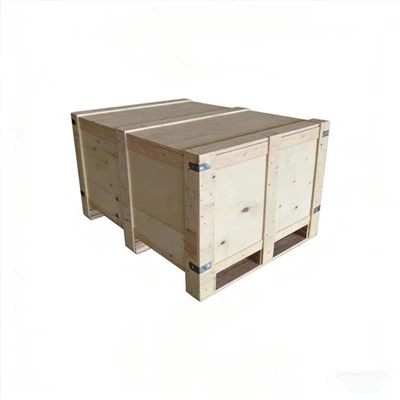
We offer different types of crates that can be suitable for plant transport. Export Crates are a popular choice. These crates are designed to meet international shipping standards. They're sturdy and can protect your plants during long - distance travel. Whether you're sending plants across the country or overseas, export crates can do the job.
Equipment Crates might also work. Although they're usually used for heavy machinery, they can be adapted for plant transport. They're made of thick wood, which provides good protection against impacts and rough handling during shipping.
Another option is Fumigation - free Crates. These are great if you're worried about the chemicals used in fumigation affecting your plants. Fumigation - free crates are treated in a way that doesn't involve harmful chemicals, making them a safe choice for transporting living plants.
Advantages of Using Freight Crates for Plant Transport
One of the biggest advantages of using freight crates is protection. Plants are delicate, and they can easily get damaged during transit. A well - made freight crate can shield them from bumps, vibrations, and even weather conditions. The wood used in the crates acts as a buffer, reducing the impact of any jolts that might occur during shipping.
Crates also offer good ventilation. Proper air circulation is crucial for plants to stay healthy. Many of our freight crates are designed with slats or holes that allow air to flow through, keeping the plants fresh and preventing the buildup of moisture, which can lead to mold and rot.
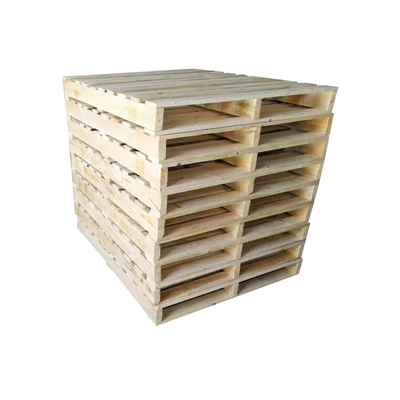
They're also stackable. This is a huge plus when it comes to shipping. You can stack the crates efficiently, making the most of the available space in the shipping container or truck. This not only saves on shipping costs but also reduces the risk of the crates shifting during transit.
Considerations Before Using Freight Crates
Before you use freight crates to transport plants, you need to think about the specific needs of your plants. Some plants are more sensitive than others. For example, tropical plants might need a certain level of humidity and temperature to survive the journey. You might need to add some extra insulation or moisture - retaining materials inside the crate.
You also need to check the regulations. Different countries and regions have different rules when it comes to importing plants. Some might require phytosanitary certificates, which prove that the plants are free from pests and diseases. Make sure you have all the necessary documentation before you ship.
The size of the crate is also important. You don't want the crate to be too big or too small. If it's too big, the plant might move around too much and get damaged. If it's too small, the plant might be cramped, which can also lead to problems.
Preparing the Plants for Transport
Once you've chosen the right crate, it's time to prepare the plants. Start by pruning the plants. Remove any dead or damaged leaves and branches. This not only makes the plant more compact but also reduces the risk of pests and diseases.
Water the plants appropriately. You don't want them to be too dry or too wet. Over - watering can lead to mold, while under - watering can cause the plant to wilt. A good rule of thumb is to water the plants a day or two before shipping.


Use some protective materials inside the crate. You can line the bottom with a layer of peat moss or shredded paper to provide a soft cushion for the plant. You can also wrap the plant in bubble wrap or newspaper to add an extra layer of protection.
Loading and Shipping the Crates
When loading the crates, be careful. Make sure they're placed securely in the shipping container or truck. You can use straps or ropes to keep them in place and prevent them from shifting during transit.
Choose a reliable shipping company. Look for one that has experience in transporting plants. They'll know how to handle the crates properly and ensure that they're delivered on time.
Conclusion
So, to sum it up, you can definitely use freight crates for transporting plants. With the right type of crate, proper preparation, and careful handling, your plants can reach their destination safely. Whether you're a nursery owner looking to ship plants to customers or a gardener sending plants to a friend, our freight crates can be a great solution.
If you're interested in purchasing freight crates for your plant transport needs, don't hesitate to reach out. We're here to help you find the perfect crate for your specific requirements.
References
- "Plant Shipping Guidelines", USDA Plant Protection and Quarantine.
- "Best Practices for Transporting Living Plants", International Plant Logistics Association.