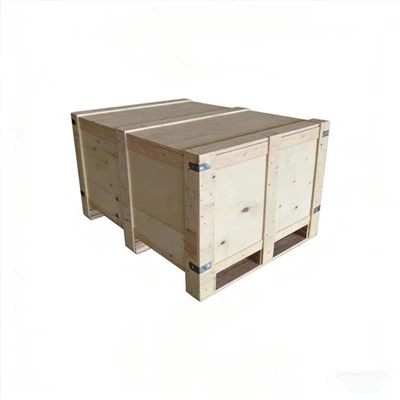
Can solid wood crates be used for storing chemicals?
As a supplier specializing in solid wood crates, the question of whether these crates can be used for storing chemicals is one that I frequently encounter. It's a complex issue that requires a comprehensive understanding of both the nature of solid wood and the characteristics of various chemicals.
Solid wood crates have long been valued for their durability, strength, and versatility. They are commonly used in a wide range of industries for packaging and transporting goods. Their natural aesthetic appeal and the ability to be customized in terms of size, shape, and design make them a popular choice. However, when it comes to storing chemicals, several factors need to be carefully considered.
Chemical Compatibility
The first and most crucial aspect is the compatibility between the solid wood and the chemicals being stored. Different chemicals have different chemical properties, and some can react with wood. For instance, strong acids and alkalis can cause significant damage to wood. Acids can break down the cellulose and lignin in wood, leading to a loss of structural integrity. Over time, the wood may become weak, brittle, and prone to cracking. Similarly, alkalis can also attack the wood fibers, altering its physical and chemical properties.
On the other hand, some non - reactive chemicals may be stored in solid wood crates without significant issues. For example, certain oils and lubricants, which are relatively inert towards wood, can be safely stored in properly designed solid wood crates. However, it's essential to ensure that the crates are sealed correctly to prevent any leakage.
Moisture and Chemical Interaction
Wood is a hygroscopic material, which means it can absorb and release moisture depending on the surrounding environmental conditions. Moisture in the wood can interact with chemicals in unpredictable ways. If a chemical is sensitive to moisture, the moisture absorbed by the wood can cause the chemical to degrade or change its properties.
Moreover, the presence of moisture can also promote the growth of fungi and bacteria on the wood surface. This not only affects the integrity of the wood but can also contaminate the stored chemicals. For chemicals that are sensitive to biological contamination, this can be a serious problem.
Protection and Treatment
To enhance the suitability of solid wood crates for chemical storage, various protective treatments can be applied. One common approach is to use a chemical - resistant coating. These coatings can act as a barrier between the wood and the chemicals, preventing direct contact and potential reactions. There are different types of coatings available, such as epoxy coatings, which are known for their excellent chemical resistance.
Another option is to treat the wood with preservatives. Preservatives can help protect the wood from decay, fungi, and insects. However, it's important to choose preservatives that are compatible with the chemicals being stored. Some preservatives may react with certain chemicals, leading to the formation of harmful by - products.
Regulatory Considerations
When using solid wood crates for chemical storage, it's essential to comply with relevant regulations. Different countries and regions have specific rules regarding the storage and transportation of chemicals. These regulations often take into account factors such as the type of chemical, the storage conditions, and the materials used for storage.
For example, some chemicals may require special labeling and documentation when stored in solid wood crates. Failure to comply with these regulations can result in fines and legal issues. Therefore, it's crucial to stay informed about the latest regulatory requirements and ensure that all storage practices are in line with them.
Our Solid Wood Crates for Different Needs
At our company, we offer a variety of solid wood crates to meet different customer needs. Our Equipment Crates are designed to provide secure storage and transportation for various types of equipment. They are made from high - quality solid wood and can be customized to fit specific equipment sizes.
Our Export Crates are suitable for international shipping. They are built to withstand the rigors of long - distance transportation and are compliant with international shipping regulations. These crates can be used for a wide range of products, including some non - reactive chemicals, when proper precautions are taken.
For heavy - duty applications, we have Heavy Duty Wood Shipping Crates. These crates are constructed with thick and strong wood, providing excellent protection for heavy and valuable items. They can also be adapted for chemical storage with appropriate treatment and design modifications.
Conclusion
In conclusion, solid wood crates can be used for storing chemicals, but it depends on several factors. The chemical compatibility, moisture management, protective treatments, and regulatory compliance all play important roles. With careful consideration and proper measures, solid wood crates can provide a reliable and cost - effective solution for chemical storage.
If you are interested in our solid wood crates for chemical storage or other applications, we encourage you to contact us for a detailed discussion. Our team of experts is ready to help you find the best crate solutions that meet your specific requirements.


References
- "Wood Chemistry and Physics" by Rowell, Roger M.
- "Chemical Compatibility Handbook" by Parker, Andrew J.
- Relevant industry regulations and standards regarding chemical storage and packaging.