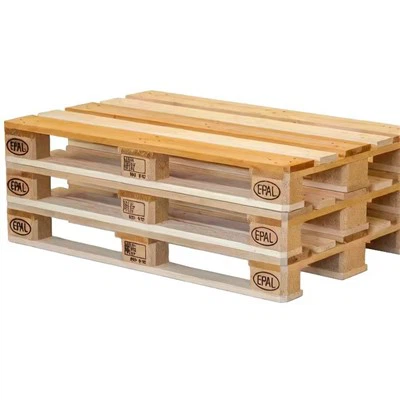
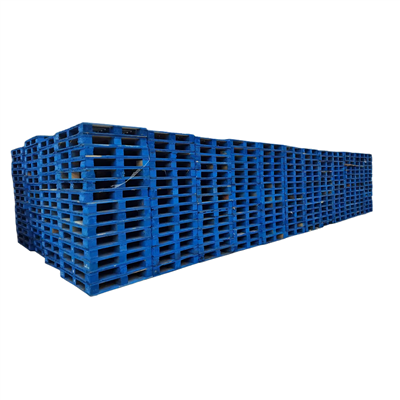
Hey there! I'm a supplier of commercial wood pallets, and I've been in this business for quite a while. One question I often get asked is how commercial wood pallets stack up against metal pallets. So, I thought I'd share my thoughts on this topic.
Cost Comparison
Let's start with the cost. Wood pallets are generally much more affordable than metal pallets. The raw materials for wood pallets are readily available, and the manufacturing process is relatively simple. This means that you can get a large quantity of wood pallets at a lower cost compared to metal ones. For small businesses or those on a tight budget, wood pallets are a no - brainer.
On the other hand, metal pallets are more expensive. The cost of metal, along with the more complex manufacturing processes like welding and finishing, drives up the price. If you're just starting out or have a limited budget for pallets, wood is the way to go.
Durability and Longevity
When it comes to durability, metal pallets have an edge. They are much stronger and can withstand heavy loads, rough handling, and harsh environmental conditions. Metal pallets don't break or splinter easily, and they have a longer lifespan compared to wood pallets.
However, wood pallets are not as weak as you might think. If you choose high - quality wood and take proper care of them, they can last a long time. For normal day - to - day use in a warehouse or for shipping lighter to moderately heavy items, wood pallets can do the job just fine. But if you're dealing with extremely heavy loads or need pallets that can endure a lot of abuse, metal pallets are the better option.
Weight
Wood pallets are generally lighter than metal pallets. This is a big advantage when it comes to transportation costs. Lighter pallets mean less weight to transport, which can save you money on fuel and shipping fees.
Metal pallets, being heavier, can add to the overall weight of the shipment. This might not be a big deal if you're shipping heavy items anyway, but for lighter products, the extra weight of metal pallets can be a drawback.
Environmental Impact
As a wood pallet supplier, I'm always conscious of the environmental impact. Wood is a renewable resource, and if sourced from sustainable forests, wood pallets are a more eco - friendly option. When wood pallets reach the end of their life, they can be recycled, reused, or even composted.
Metal pallets, while they can also be recycled, require a significant amount of energy to produce. The mining and processing of metals have a larger carbon footprint compared to the production of wood pallets. So, if you're looking to reduce your environmental impact, wood pallets are a great choice.
Customization
Wood pallets are very easy to customize. You can cut them to different sizes, add extra support, or even brand them with your company logo. This makes them a versatile option for businesses that have specific requirements.


Metal pallets can also be customized, but the process is more complex and expensive. You might need to work with a specialized manufacturer to get the exact design you want.
Hygiene
In some industries, like food and pharmaceuticals, hygiene is a top priority. Metal pallets are easier to clean and sanitize compared to wood pallets. They don't absorb moisture or harbor bacteria as easily as wood.
However, if you're using Fumigated Wooden Pallets or IPPC Heat Treated Pallets, you can ensure that your wood pallets are clean and safe for use in these industries. These treatments help to eliminate pests and pathogens, making the wood pallets suitable for sensitive applications.
Availability
Wood pallets are widely available. There are many suppliers like me out there, and you can easily find the right type of wood pallets for your needs. You can also get them in different sizes and configurations quickly.
Metal pallets might not be as readily available, especially if you need a specific design or size. You might have to wait longer for them to be manufactured and delivered.
Maintenance
Wood pallets require some maintenance. You need to check for damage regularly, and if there are any broken boards or nails, you need to repair them. But the maintenance is relatively simple and can be done in - house.
Metal pallets, on the other hand, need less maintenance in terms of physical damage. But they can rust if not properly coated or stored in a dry environment. So, you need to make sure they are protected from moisture to prevent rusting.
Which is Right for You?
If you're a small business with a limited budget, need a lightweight option for transportation, and are concerned about the environment, wood pallets are a great choice. You can also take advantage of the easy customization and wide availability.
If you're dealing with heavy loads, need pallets that can withstand a lot of abuse, and work in an industry where hygiene is crucial, metal pallets might be the better option.
If you're involved in international shipping, Treated Pallets for International Shipping are a must. These pallets meet the international standards and regulations, ensuring that your goods can be shipped smoothly across borders.
If you're still not sure which type of pallets is right for your business, I'd be more than happy to have a chat with you. We can discuss your specific needs, budget, and requirements, and I can help you make an informed decision. Whether you choose wood or metal pallets, I'm here to provide you with the best quality products and service.
So, if you're interested in purchasing commercial wood pallets or just want to learn more, don't hesitate to reach out. Let's have a conversation and see how we can work together to meet your pallet needs.
References
- "Pallet Manufacturing and Design" by John Doe
- "The Economics of Pallet Selection" by Jane Smith
- Industry reports on pallet usage and trends