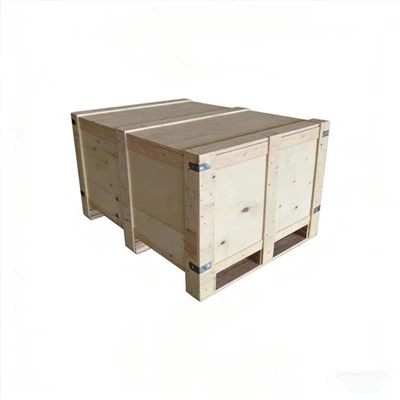
As a supplier of Equipment Crates, I've encountered numerous challenges and learned valuable lessons about the best ways to transport these crates on vehicles. In this blog, I'll share my insights and experiences to help you optimize your equipment crate transportation.
Consider the Size and Weight of the Crates
The first step in determining the best way to transport equipment crates is to assess their size and weight. Larger and heavier crates require more robust vehicles and proper securing methods. If the crates are extremely heavy, you might need a flatbed truck with a high weight capacity. For smaller crates, a van or a pickup truck could be sufficient.
It's essential to know the exact dimensions and weight of your crates. This information will not only help you choose the right vehicle but also ensure that you comply with transportation regulations. Overloading a vehicle can lead to safety hazards and legal issues.


Choose the Right Vehicle
Selecting the appropriate vehicle is crucial for the safe and efficient transportation of equipment crates. Different types of vehicles offer various advantages depending on the nature of the crates and the distance of the journey.
- Flatbed Trucks: These are ideal for transporting large and heavy equipment crates. They provide an open platform that allows for easy loading and unloading. Flatbed trucks also offer flexibility in terms of the size and shape of the crates they can carry. You can secure the crates using straps, chains, or other tie-down methods.
- Box Trucks: Box trucks are enclosed, which provides protection from the elements. They are suitable for transporting smaller to medium-sized crates, especially if you need to keep the crates dry or protected from dust. Box trucks also offer better security as they can be locked.
- Trailers: Trailers can be attached to vehicles such as trucks or SUVs. They come in different sizes and configurations, allowing you to transport multiple crates at once. Trailers are a cost-effective option for long-distance transportation.
Secure the Crates Properly
Once you've chosen the right vehicle, the next step is to secure the crates properly. Improperly secured crates can shift during transportation, causing damage to the crates and the vehicle, and even posing a safety risk.
- Use Straps and Chains: Straps and chains are commonly used to secure equipment crates. Make sure to choose straps and chains that are strong enough to hold the weight of the crates. Use multiple straps and chains to distribute the weight evenly and prevent the crates from moving.
- Bracing and Blocking: Bracing and blocking are additional methods to secure the crates. You can use wooden blocks or braces to prevent the crates from shifting side to side or forward and backward. This is especially important for tall or unstable crates.
- Corner Protectors: Corner protectors can be used to protect the edges of the crates from damage during transportation. They also provide additional support and stability.
Protect the Crates from Damage
In addition to securing the crates, it's important to protect them from damage during transportation. Here are some tips to minimize the risk of damage:
- Use Padding: Padding can be used to cushion the crates and prevent them from hitting each other or the vehicle. You can use foam, bubble wrap, or other padding materials.
- Weather Protection: If the crates are exposed to the elements, it's important to protect them from rain, snow, and sunlight. You can use tarps or covers to shield the crates.
- Proper Loading and Unloading: When loading and unloading the crates, make sure to do it carefully to avoid dropping or damaging them. Use the right equipment, such as forklifts or pallet jacks, to handle the crates.
Consider the Transportation Route
The transportation route can also affect the way you transport equipment crates. Here are some factors to consider:
- Road Conditions: If the road is rough or bumpy, the crates may be more prone to damage. Make sure to choose a route with good road conditions or take extra precautions to protect the crates.
- Traffic: Heavy traffic can cause delays and increase the risk of accidents. Try to avoid rush hours and choose a route with less traffic.
- Distance: The distance of the journey can also affect the transportation method. For long-distance transportation, you may need to consider factors such as fuel efficiency and rest stops.
Conclusion
Transporting equipment crates on a vehicle requires careful planning and preparation. By considering the size and weight of the crates, choosing the right vehicle, securing the crates properly, protecting them from damage, and considering the transportation route, you can ensure that your equipment crates are transported safely and efficiently.
If you're in the market for high-quality Equipment Crates, we offer a wide range of options, including Export Crates, Fumigation-free Crates, and Heavy Duty Wood Shipping Crates. Our crates are designed to meet the highest standards of quality and durability.
If you have any questions or would like to discuss your specific needs, feel free to reach out to us. We're here to help you find the best solution for your equipment crate transportation needs.
References
- Transportation Regulations Handbook
- Best Practices for Equipment Crate Transportation