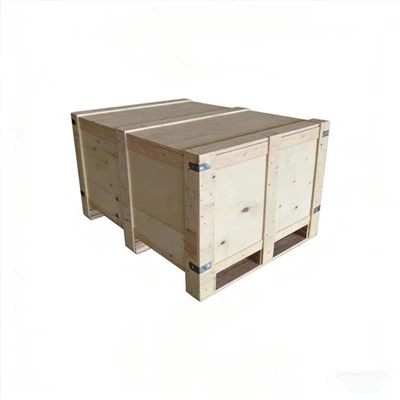
In the logistics and shipping industry, pallets play a crucial role in the safe and efficient transportation of goods. Among the various types of pallets, fumigation - free pallets and heat - treated pallets are two commonly used options. As a supplier of fumigation - free pallets, I am well - versed in the differences between these two types of pallets, and I'm excited to share this knowledge with you.
Definition and Manufacturing Process
Fumigation - free pallets are typically made from materials that do not require chemical fumigation to meet international phytosanitary requirements. These pallets are often constructed from engineered wood products such as plywood, oriented strand board (OSB), or composite materials. The manufacturing process of fumigation - free pallets involves cutting, assembling, and sometimes treating the materials with non - chemical methods to ensure they are free from pests and diseases.
On the other hand, heat - treated pallets are made from solid wood. The manufacturing process starts with selecting high - quality lumber. After cutting and assembling the pallets, they undergo a heat - treatment process. This process involves heating the pallets to a specific temperature (usually around 56°C for at least 30 minutes) to kill any insects, larvae, and fungi that may be present in the wood. The heat - treatment is carried out in a specialized chamber, and once completed, the pallets are marked with an International Plant Protection Convention (IPPC) stamp to indicate compliance with international regulations.
Compliance with International Regulations
One of the most significant differences between fumigation - free pallets and heat - treated pallets lies in their compliance with international regulations. Fumigation - free pallets are often preferred for their ease of compliance. Since they are made from materials that are inherently free from pests, they do not require the time - consuming and potentially hazardous chemical fumigation process. This makes them a popular choice for international shipments, especially to countries with strict phytosanitary regulations.
Heat - treated pallets, while also compliant with international regulations, require the additional step of heat treatment. The IPPC stamp on heat - treated pallets serves as proof that they have met the necessary standards. However, the heat - treatment process can be more complex and time - consuming, and any deviation from the specified temperature and time requirements can result in non - compliance.
Durability and Strength
When it comes to durability and strength, the two types of pallets have different characteristics. Fumigation - free pallets made from engineered wood products can offer excellent strength - to - weight ratios. Plywood and OSB pallets, for example, are known for their uniform strength and resistance to warping and splitting. They can withstand heavy loads and are suitable for a wide range of applications, including the transportation of bulky and heavy goods.
Heat - treated pallets, being made from solid wood, are generally very strong and durable. Solid wood has a natural strength that can handle high - impact loads and rough handling. However, the heat - treatment process can sometimes cause the wood to become slightly more brittle, which may affect its long - term durability in certain conditions.
Cost Considerations
Cost is an important factor for businesses when choosing between fumigation - free pallets and heat - treated pallets. Fumigation - free pallets are often more cost - effective in the long run. The absence of the fumigation process reduces the overall production cost, and they also require less maintenance. Additionally, since they are made from engineered wood products, the raw materials are often more readily available and less expensive than solid wood.
Heat - treated pallets, on the other hand, can be more expensive. The cost of the solid wood, the heat - treatment process, and the required IPPC certification all contribute to the higher price. However, in some cases, the durability and strength of heat - treated pallets may justify the additional cost, especially for high - value or heavy - duty shipments.
Environmental Impact
In terms of environmental impact, both types of pallets have their pros and cons. Fumigation - free pallets made from engineered wood products are often considered more environmentally friendly. The use of recycled materials in the production of plywood and OSB reduces the demand for virgin timber. Additionally, the absence of chemical fumigation means that there is no release of harmful chemicals into the environment.
Heat - treated pallets, while made from natural wood, require energy for the heat - treatment process. However, if the wood is sourced from sustainably managed forests, heat - treated pallets can also be a relatively environmentally friendly option. The solid wood can be recycled or reused at the end of its life cycle, reducing waste.


Applications
Fumigation - free pallets are widely used in various industries, including food, pharmaceuticals, and electronics. Their clean and pest - free nature makes them suitable for transporting products that require a high level of hygiene. They are also commonly used in international trade, especially for shipments to countries that have strict regulations on the import of wooden packaging materials.
Heat - treated pallets are often used in heavy - duty applications, such as the transportation of machinery, construction materials, and large - scale industrial products. Their strength and durability make them ideal for handling heavy loads and withstanding rough handling during transportation.
Our Fumigation - Free Pallets
As a supplier of fumigation - free pallets, we offer a wide range of products to meet the diverse needs of our customers. Our Round Wood Pallet is a unique option that combines the natural beauty of wood with the advantages of fumigation - free materials. It is suitable for both indoor and outdoor use and can be customized to fit specific requirements.
Our Solid Wood Pallets made from engineered wood products offer excellent strength and durability. They are designed to withstand heavy loads and are ideal for the transportation of large and heavy goods.
We also offer Glulam Pallets, which are made from glued - laminated timber. These pallets are known for their high strength and stability, making them a popular choice for industrial applications.
Conclusion
In conclusion, the choice between fumigation - free pallets and heat - treated pallets depends on several factors, including compliance requirements, durability, cost, environmental impact, and application. Fumigation - free pallets offer ease of compliance, cost - effectiveness, and environmental friendliness, making them a great choice for many businesses. Heat - treated pallets, on the other hand, provide high strength and durability, which are essential for heavy - duty applications.
If you are in the market for pallets and are considering the best option for your business, I encourage you to contact us for a detailed discussion. Our team of experts can help you choose the right type of pallets based on your specific needs and requirements. Whether you need pallets for international shipments or heavy - duty industrial applications, we have the solution for you.
References
- International Plant Protection Convention (IPPC). Guidelines for the regulation of wood packaging material in international trade.
- Wood Packaging Material Handbook. A comprehensive guide to the types, uses, and regulations of wood pallets and packaging.
- Industry reports on the logistics and shipping industry, including trends in pallet usage and preferences.