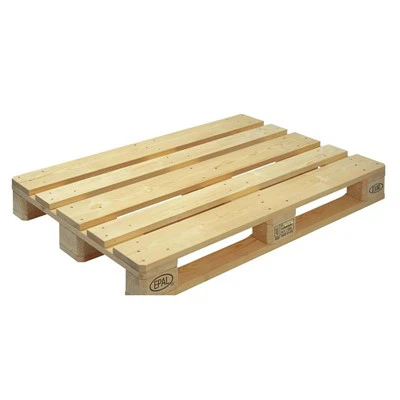
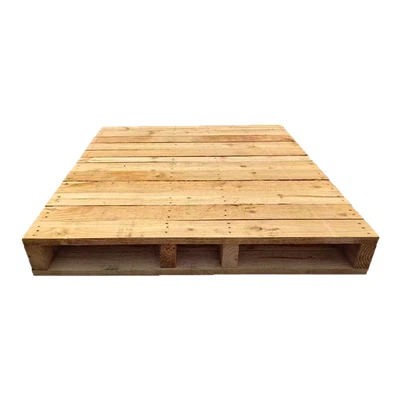
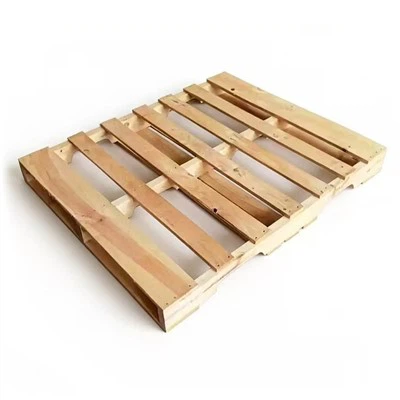
Plywood wooden pallets are an essential component in the logistics and supply chain industry, offering a reliable and cost - effective solution for transporting and storing goods. One of the critical properties of plywood wooden pallets is their stiffness. In this blog, we will explore what the stiffness of plywood wooden pallets is, its significance, and how it impacts the performance of these pallets. As a leading supplier of plywood wooden pallets, we have in - depth knowledge of this topic and are eager to share our insights.
Understanding Stiffness in Plywood Wooden Pallets
Stiffness, in the context of plywood wooden pallets, refers to the pallet's ability to resist deformation under load. When a pallet is loaded with goods, it experiences various forces such as compression, bending, and shear. A stiff pallet will maintain its shape and structure better than a less stiff one, ensuring that the goods it carries remain stable and secure during transportation and storage.
The stiffness of a plywood wooden pallet is influenced by several factors. The first is the type of plywood used. Plywood is made by bonding multiple layers of wood veneers together. The number of layers, the thickness of each layer, and the type of wood used in the veneers all play a role in determining the stiffness. For example, pallets made from high - quality hardwood plywood tend to be stiffer than those made from softwood plywood.
Another factor is the design of the pallet. The layout of the stringers and deck boards can significantly affect the pallet's stiffness. A well - designed pallet with properly spaced stringers and sturdy deck boards will distribute the load more evenly, reducing the risk of deformation. Additionally, the construction method, such as the type of joints used to connect the components of the pallet, also impacts stiffness.


Importance of Stiffness in Plywood Wooden Pallets
The stiffness of plywood wooden pallets is of utmost importance for several reasons. Firstly, it ensures the safety of the goods being transported. A stiff pallet can support the weight of the load without sagging or breaking, preventing damage to the products. This is particularly crucial for fragile or high - value items.
Secondly, stiffness affects the durability of the pallet. A pallet that can resist deformation will have a longer lifespan, reducing the need for frequent replacements. This not only saves costs but also contributes to environmental sustainability by reducing waste.
In addition, stiffness is essential for efficient handling of pallets. Forklifts and other material - handling equipment rely on the pallet's ability to maintain its shape. A stiff pallet can be easily lifted, moved, and stacked, improving the overall efficiency of the supply chain.
Measuring the Stiffness of Plywood Wooden Pallets
There are several methods to measure the stiffness of plywood wooden pallets. One common approach is the three - point bending test. In this test, a pallet is placed on two supports, and a load is applied at the center. The deflection of the pallet under the load is measured, and the stiffness is calculated based on the relationship between the load and the deflection.
Another method is the four - point bending test, which is more suitable for larger pallets. In this test, the pallet is supported at two outer points, and the load is applied at two inner points. This test provides a more accurate representation of the pallet's performance under real - world conditions.
How Our Company Ensures High - Stiffness Plywood Wooden Pallets
As a supplier of plywood wooden pallets, we take several steps to ensure that our pallets have high stiffness. Firstly, we carefully select the plywood materials. We source high - quality plywood from reliable suppliers, ensuring that the wood veneers are of the right thickness and quality.
Secondly, we have a team of experienced designers who create pallet designs that optimize stiffness. Our designs take into account the expected load capacity and the intended use of the pallets. We use advanced software to simulate the performance of the pallets under different loads, allowing us to make adjustments to the design as needed.
In addition, we have strict quality control measures in place. Every pallet undergoes a series of tests to ensure that it meets our high - stiffness standards. We check the dimensions, the quality of the joints, and the overall performance of the pallets before they are shipped to our customers.
Applications of High - Stiffness Plywood Wooden Pallets
High - stiffness plywood wooden pallets have a wide range of applications. They are commonly used in the food and beverage industry, where the pallets need to support heavy loads of products such as canned goods, bottled beverages, and fresh produce. The stiffness of the pallets ensures that the products remain stable during transportation and storage, reducing the risk of damage.
In the manufacturing industry, high - stiffness pallets are used to transport and store raw materials, components, and finished products. They can withstand the weight of heavy machinery parts and large - scale equipment, making them an ideal choice for industrial applications.
For international shipping, Treated Pallets for International Shipping with high stiffness are essential. These pallets need to meet strict international standards and regulations, and their stiffness ensures that they can withstand the rigors of long - distance transportation and handling.
Comparison with Other Types of Pallets
When compared to other types of pallets, such as plastic or metal pallets, plywood wooden pallets offer a unique combination of stiffness, cost - effectiveness, and environmental friendliness. Plastic pallets may be lighter, but they often lack the stiffness required to support heavy loads. Metal pallets are very stiff but can be expensive and heavy, which may increase transportation costs.
Plywood wooden pallets, on the other hand, provide a good balance. They are relatively lightweight, yet they can offer sufficient stiffness to support a wide range of loads. They are also more environmentally friendly than plastic pallets, as wood is a renewable resource.
Customizing Plywood Wooden Pallets for Different Stiffness Requirements
We understand that different customers have different stiffness requirements for their pallets. That's why we offer customized solutions. Whether you need a pallet with high stiffness for heavy - duty applications or a more flexible pallet for lighter loads, we can design and manufacture pallets to meet your specific needs.
For example, if you are in the automotive industry and need to transport heavy engine parts, we can create a pallet with extra - thick plywood and a reinforced design to ensure high stiffness. On the other hand, if you are in the e - commerce industry and need to ship small, lightweight items, we can design a more cost - effective pallet with moderate stiffness.
Conclusion
The stiffness of plywood wooden pallets is a critical property that affects their performance, durability, and safety. As a supplier of plywood wooden pallets, we are committed to providing high - quality pallets with optimal stiffness. Our pallets are designed and manufactured to meet the diverse needs of our customers, whether they are in the food and beverage industry, manufacturing, or international shipping.
If you are in the market for 40 X 48 Wood Pallets or Commercial Wood Pallets, we invite you to contact us for a detailed discussion. Our team of experts will be happy to assist you in selecting the right pallets for your specific requirements. We look forward to the opportunity to work with you and contribute to the success of your business.
References
- ASTM International. (20XX). Standard test methods for evaluating the performance of wood pallets.
- Wood Packaging Manufacturers Association. (20XX). Best practices for designing and manufacturing plywood wooden pallets.