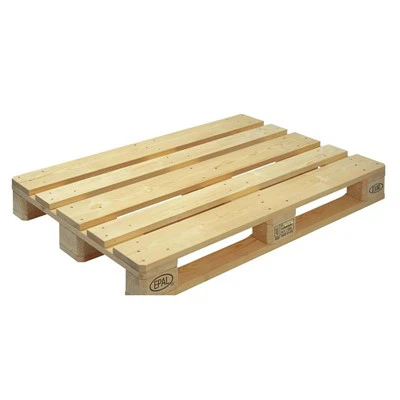
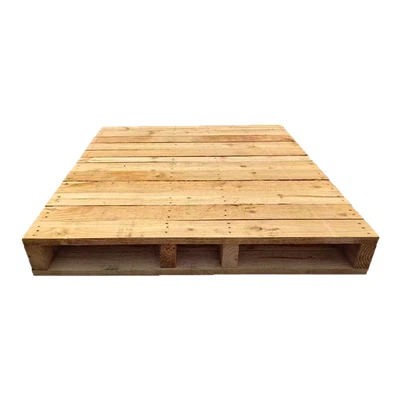
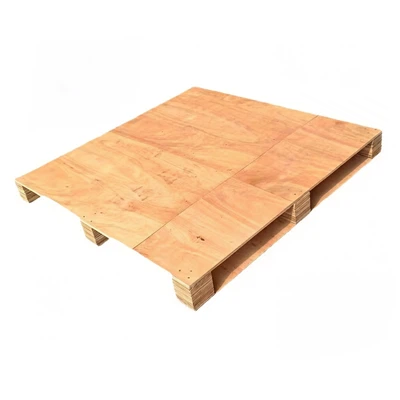
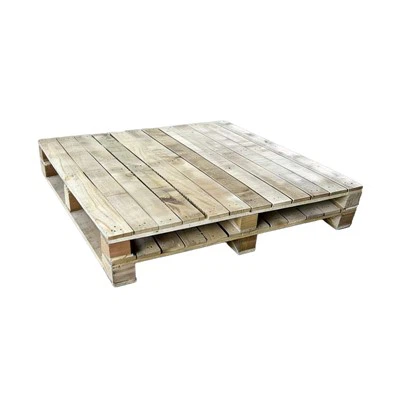
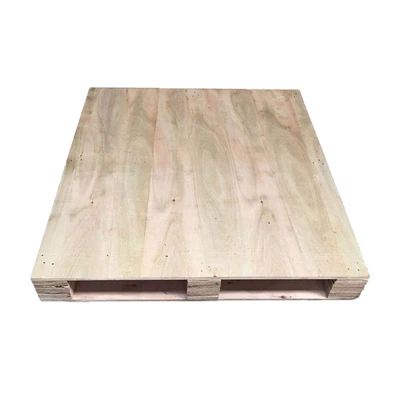
In modern warehousing and logistics systems, lightweight wooden pallets are widely used in one-way shipments and low-load turnover scenarios due to their cost advantages and flexible applications. For buyers, understanding their key characteristics helps optimize cost control while improving logistics efficiency.
Structurally, lightweight pallets are designed with a simplified structure focused on reducing material usage. Common designs include nine-leg or basic stringer structures, using minimal support points to carry loads. As a result, they are lighter in weight and easier to handle.
In terms of materials, they are typically made from thinner pine, poplar, or mixed wood materials with basic drying and processing, suitable for short-distance transport or one-time use.
For load performance, lightweight pallets are intended for light to medium cargo, prioritizing cost efficiency over heavy-duty strength, making them suitable for e-commerce shipments, one-way exports, and fast-moving consumer goods logistics.
In terms of usability, they are easy to operate and compatible with standard forklifts and manual handling. Their low recycling and disposal costs make them ideal for high-turnover or short-cycle supply chain models.
Additionally, in cost control, lightweight wooden pallets offer significant price advantages, making them an effective option for reducing overall packaging and transportation costs.
Overall, the key characteristics of lightweight wooden pallets lie in their lightweight structure, economical materials, and low-cost application, making them a practical solution for high-frequency, short-distance, and one-way logistics needs.