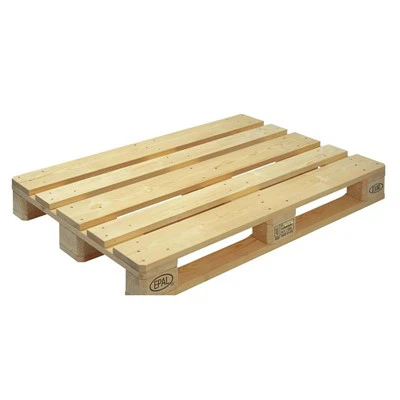
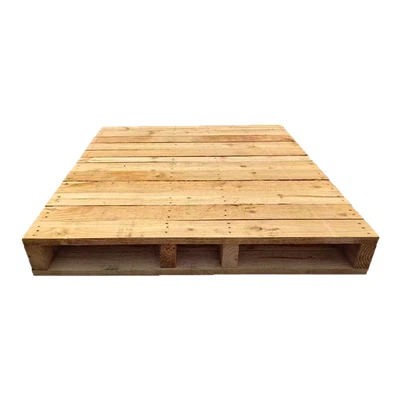
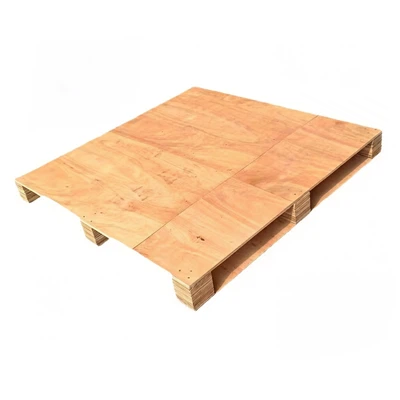
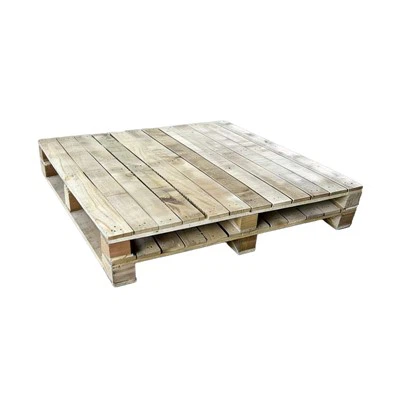
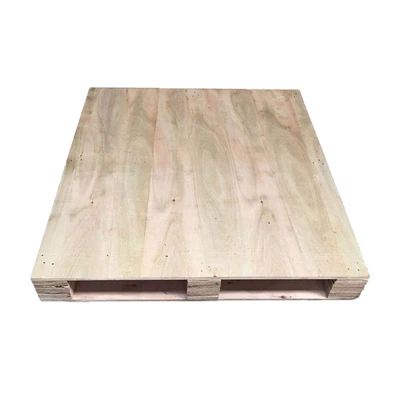
In modern logistics and industrial packaging, black wooden pallets are widely used in high-frequency turnover and export transport scenarios due to their special surface treatment and reinforced structural design. For buyers, understanding these structural features helps better match operational needs and improve logistics efficiency.
Structurally, black wooden pallets are typically made from solid or composite wood and feature reinforced designs to form a stable load-bearing system. Common structures include stringer and block (grid) types, with optimized distribution of beams and blocks to enhance overall load capacity and stability.
In terms of surface treatment, these pallets usually undergo coating or carbonization processes, forming a protective layer that improves moisture resistance, stain resistance, and wear resistance, thereby extending service life.
For load-bearing design, they are optimized for heavy-duty and high-frequency use scenarios, with reinforced nailing and stronger connectors to improve rigidity and reduce deformation during long-term use.
Regarding forklift access, black wooden pallets commonly adopt a four-way entry design, enabling flexible handling from multiple directions and improving loading and unloading efficiency in high-intensity logistics environments.
Additionally, their structural design emphasizes reusability, making them suitable for warehousing circulation, industrial transport, and export packaging applications.
Overall, the structural features of black wooden pallets focus on reinforced load capacity, surface protection, and high-frequency adaptability, making them a functional solution for improving logistics efficiency and reducing operational losses.