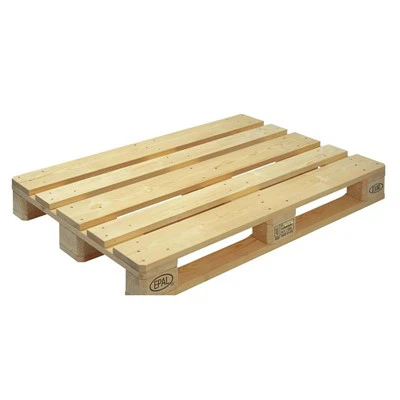
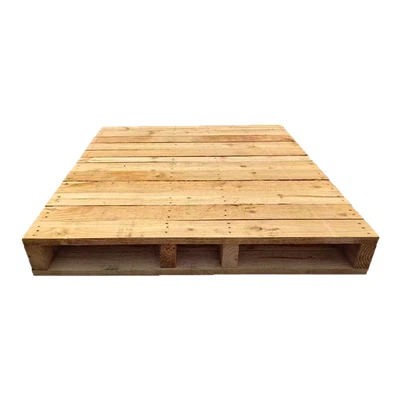
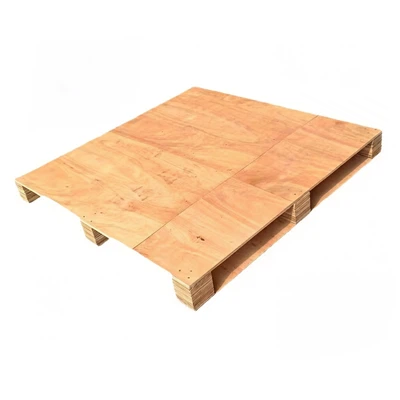
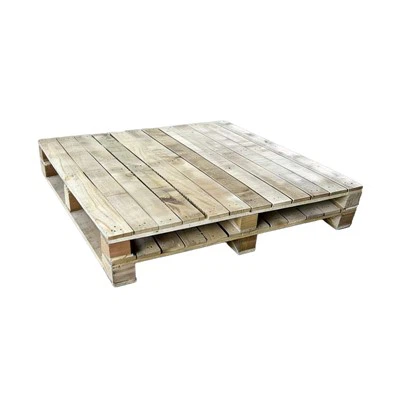
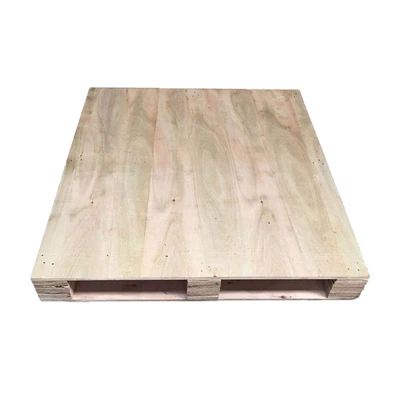
In modern logistics systems, wooden pallets are not only basic load-bearing units but also essential tools throughout warehousing, transportation, and distribution processes. For buyers, understanding their core functions helps improve efficiency and optimize overall costs.
First, the primary function of wooden pallets is load-bearing and weight distribution. Through a stable structural design, concentrated loads are evenly distributed across multiple support points, improving overall capacity and reducing cargo damage risks during transport.
Second, wooden pallets provide standardized handling functionality. They are fully compatible with forklifts, pallet jacks, and automated systems, enabling fast loading, unloading, and transfer operations, significantly improving efficiency and reducing manual labor.
Third, in warehousing, pallets support stacking and vertical storage, helping maximize space utilization while enabling organized inventory management and batch turnover.
In transportation, wooden pallets consolidate loose goods into standardized units, reducing handling frequency, lowering damage rates, and optimizing the overall logistics process.
In cross-border logistics, compliant pallets also meet phytosanitary and customs requirements, ensuring smooth and regulated international shipping.
Overall, the core functions of wooden pallets lie in load-bearing, handling, storage, and unitization, making them a fundamental tool for efficient modern supply chain operations.