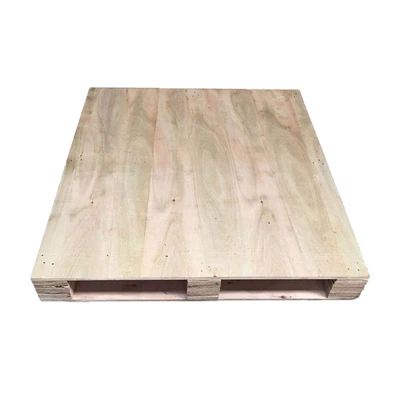
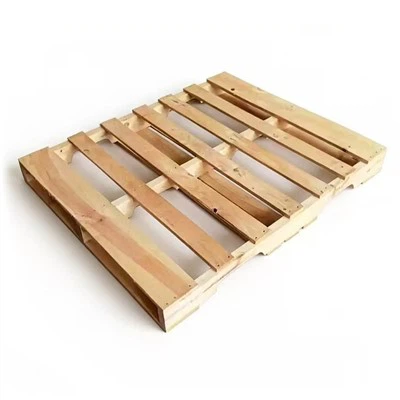
In industrial packaging and global logistics systems, the value of wooden crates goes beyond basic protection. It lies in their ability to enhance transport safety, control costs, and improve supply chain efficiency. For buyers, understanding this value supports more strategic and long-term procurement decisions.
First, the primary value of wooden crates is cargo protection. Their robust structure effectively resists impact, compression, and vibration during transport, making them ideal for machinery, precision instruments, and high-value goods, significantly reducing damage risks.
Second, they offer strong cost efficiency. Compared with metal or plastic packaging solutions, wooden crates have lower material costs and support repair and reuse, helping reduce overall packaging expenses.
Third, in logistics performance, wooden crates can be customized according to cargo dimensions and transport methods. This improves loading efficiency and reduces wasted space, contributing to better supply chain utilization.
In international trade, compliant crates treated through heat treatment or fumigation meet export requirements, enabling smooth cross-border shipping while reducing clearance risks and delays.
Overall, the key value of wooden crates lies in safety, cost efficiency, and adaptability, making them a reliable and long-term solution for industrial transport and export packaging procurement.