As a supplier of Heat Treated Euro Pallets, I often receive inquiries from customers about the compliance of these pallets with local laws. This is a crucial concern, as non - compliance can lead to significant legal and logistical issues. In this blog, I will delve into the factors that determine whether heat - treated Euro pallets are compliant with local laws.


Understanding Heat - Treated Euro Pallets
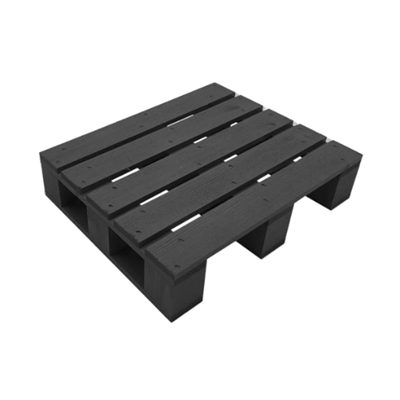
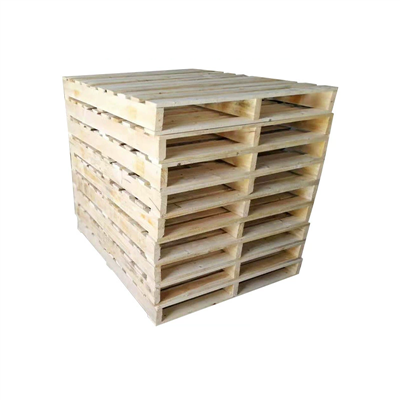
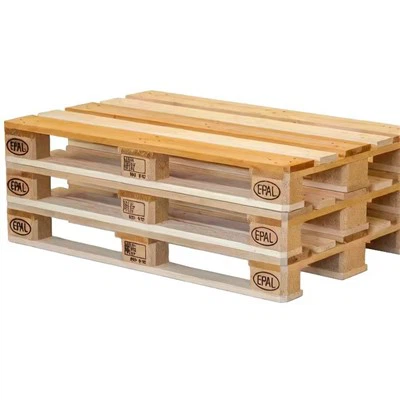
Heat - treated Euro pallets are standardized pallets used widely in Europe for the storage and transportation of goods. These pallets are made of wood and undergo a heat - treatment process to eliminate pests and diseases, making them suitable for international trade. The heat - treatment process involves heating the wood to a minimum core temperature of 56°C for at least 30 minutes, as per the International Standards for Phytosanitary Measures (ISPM 15).
Local Laws and Regulations
Local laws regarding pallets can vary significantly from one region to another. Some of the key aspects of local laws that affect the compliance of heat - treated Euro pallets include:
Phytosanitary Regulations
Many countries have strict phytosanitary regulations to prevent the introduction and spread of pests and diseases through wooden packaging materials. Heat - treated Euro pallets that comply with ISPM 15 are generally accepted in most countries. However, some regions may have additional requirements. For example, certain countries may require specific markings or documentation to prove that the pallets have been properly heat - treated.
Safety Standards
Local safety standards also play a role in determining the compliance of heat - treated Euro pallets. These standards may cover aspects such as load - bearing capacity, structural integrity, and the use of safe materials. In some areas, pallets must meet specific safety requirements to be used in certain industries or for particular types of goods.
Environmental Regulations
Environmental regulations can also impact the use of heat - treated Euro pallets. Some regions have laws regarding the sourcing of wood, the use of chemicals in the treatment process, and the disposal of pallets at the end of their life cycle. For instance, pallets made from sustainably sourced wood may be preferred in areas with strong environmental protection policies.
How to Ensure Compliance
As a supplier of heat - treated Euro pallets, I take several steps to ensure that our products comply with local laws:
Certification
We obtain the necessary certifications to prove that our pallets meet the ISPM 15 requirements. This includes having the pallets marked with the appropriate ISPM 15 stamp, which indicates that they have been heat - treated. Additionally, we can provide customers with documentation to verify the heat - treatment process.
Research and Updates
We stay informed about the local laws and regulations in the regions where our customers are located. This involves regularly researching changes in phytosanitary, safety, and environmental regulations. By keeping up - to - date, we can ensure that our pallets are compliant with the latest requirements.
Customization
In some cases, we may need to customize our pallets to meet specific local requirements. This could involve using different types of wood, adjusting the dimensions of the pallets, or providing additional markings or documentation.
Case Studies
Let's look at a few case studies to illustrate the importance of compliance with local laws:
Case 1: Export to Australia
Australia has very strict phytosanitary regulations. When exporting heat - treated Euro pallets to Australia, we had to ensure that the pallets were properly marked with the ISPM 15 stamp and that we provided detailed documentation about the heat - treatment process. By following these requirements, we were able to avoid any delays or issues at the Australian border.
Case 2: Use in the Food Industry
In some countries, pallets used in the food industry must meet specific safety standards. We had a customer in the food industry who required pallets that were made from food - grade materials and had a certain load - bearing capacity. By working closely with the customer and understanding their requirements, we were able to supply compliant pallets.
Alternative Pallet Options
While heat - treated Euro pallets are a popular choice, there are other types of pallets available that may be more suitable for certain applications or regions. For example, 40 X 48 Wood Pallets are commonly used in the United States. These pallets have different dimensions and may be subject to different local laws. Similarly, American Standard Wooden Pallets are designed to meet the specific requirements of the American market. Another option is the MB Pallet, which may have its own set of compliance requirements.
Conclusion
In conclusion, heat - treated Euro pallets can be compliant with local laws, but it requires careful attention to the specific regulations in each region. As a supplier, we are committed to ensuring that our pallets meet all the necessary requirements. If you are in need of heat - treated Euro pallets or have questions about compliance, I encourage you to reach out for a procurement discussion. We can work together to find the best solution for your business.
References
- International Standards for Phytosanitary Measures (ISPM 15)
- Various local government websites for phytosanitary, safety, and environmental regulations.