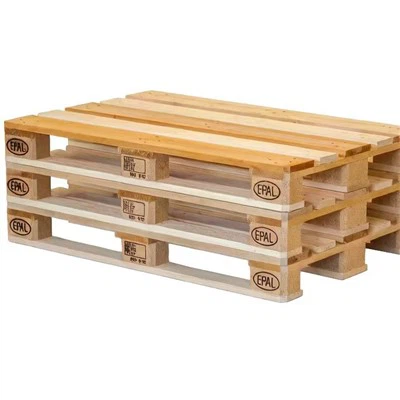
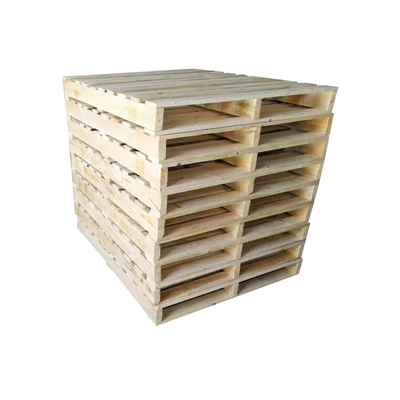
As a supplier of US Standard Pallets, I've seen firsthand how crucial it is to optimize their use in a warehouse. In this blog, I'll share some practical tips and strategies to help you get the most out of these pallets, ensuring efficiency, safety, and cost - effectiveness.
1. Understanding US Standard Pallets
First off, let's talk about what US Standard Pallets are. These pallets typically follow the dimensions of 48 inches by 40 inches, which is a widely - recognized size in the United States. They're used in various industries, from manufacturing to logistics, for storing and transporting goods.
There are different types of US Standard Pallets, such as wooden, plastic, and metal. Wooden pallets are popular because they're relatively inexpensive and easy to repair. However, they require proper maintenance to prevent issues like rot and insect infestation. Plastic pallets are more durable and hygienic, but they can be pricier. Metal pallets are the sturdiest but also the heaviest and most expensive.
2. Warehouse Layout and Pallet Placement
The layout of your warehouse plays a huge role in how well you can use US Standard Pallets. Start by analyzing your storage needs. Determine how much space you need for different types of goods and how many pallets you'll need to store them.
-
Aisle Width: Make sure your aisles are wide enough for forklifts and other handling equipment to move around easily. A good rule of thumb is to have an aisle width of at least 10 feet for standard forklifts. This will prevent accidents and speed up the movement of pallets.
-
Pallet Racking: Use pallet racking systems to maximize vertical space. There are different types of racking, like selective racking, drive - in racking, and push - back racking. Selective racking is great for easy access to individual pallets, while drive - in racking is more suitable for high - density storage of similar products.


-
Grouping by Product Type: Group pallets by product type or demand. This way, you can quickly locate the pallets you need, reducing the time spent searching for items. For example, keep fast - moving products near the shipping area.
3. Loading and Unloading Pallets
Proper loading and unloading of US Standard Pallets are essential for safety and efficiency.
- Weight Distribution: When loading pallets, make sure the weight is evenly distributed. Uneven weight can cause the pallet to tip over during handling, leading to damage to the goods and potential injury to workers. Use a forklift scale if necessary to ensure the weight is within the pallet's capacity.
- Stacking Height: Be careful not to stack pallets too high. The maximum stacking height depends on the type of pallet and the stability of the goods. Generally, for wooden pallets, a stacking height of 6 - 8 feet is considered safe. However, you should always follow the manufacturer's guidelines.
- Loading Equipment: Use the right equipment for loading and unloading. Forklifts are the most common, but there are also pallet jacks, conveyors, and automated guided vehicles (AGVs). Choose the equipment based on the size and weight of the pallets and the layout of your warehouse.
4. Pallet Maintenance
Regular maintenance of US Standard Pallets can extend their lifespan and prevent costly replacements.
- Inspection: Conduct regular inspections of your pallets. Look for signs of damage, such as broken boards, loose nails, or cracks. Replace any damaged pallets immediately to avoid accidents.
- Cleaning: Keep your pallets clean. Dirt and debris can accumulate on the pallets, which can affect the quality of the goods stored on them. Use a broom or a pressure washer to clean the pallets regularly.
- Treatment: If you're using wooden pallets, consider treating them to prevent rot and insect infestation. You can check out IPPC Heat Treated Pallets for more information on heat - treated pallets, which are a great option for ensuring the safety of your goods.
5. Inventory Management
Effective inventory management is key to optimizing the use of US Standard Pallets.
- First - In, First - Out (FIFO): Implement the FIFO method to ensure that older products are used or shipped first. This reduces the risk of product expiration and waste. Label your pallets with the date of receipt to make it easier to follow the FIFO system.
- Inventory Tracking: Use an inventory management system to track the movement of pallets in your warehouse. This can help you keep track of stock levels, locate pallets quickly, and identify any issues with inventory accuracy.
- Pallet Pooling: Consider pallet pooling, which is a system where multiple companies share a pool of pallets. This can reduce the cost of pallet ownership and improve the overall efficiency of pallet use.
6. Safety Considerations
Safety should always be a top priority when using US Standard Pallets in a warehouse.
- Training: Provide proper training to your employees on how to handle pallets safely. This includes how to operate forklifts, stack pallets correctly, and avoid accidents.
- Signage: Use clear signage in your warehouse to indicate the location of pallets, the maximum weight capacity, and any safety instructions. This will help prevent accidents and ensure that everyone follows the rules.
- Personal Protective Equipment (PPE): Make sure your employees wear the appropriate PPE, such as safety shoes, gloves, and hard hats, when handling pallets.
7. Cost - Benefit Analysis
Finally, it's important to conduct a cost - benefit analysis to determine the best way to use US Standard Pallets in your warehouse.
- Initial Investment: Consider the initial cost of purchasing pallets. Wooden pallets are generally the cheapest, but they may require more maintenance. Plastic and metal pallets are more expensive upfront but can last longer and require less maintenance.
- Operating Costs: Look at the operating costs, such as the cost of handling, storage, and maintenance. Choose the pallets that offer the best balance between cost and performance.
- Return on Investment (ROI): Calculate the ROI of using different types of pallets. This will help you make an informed decision on which pallets are the most cost - effective for your business.
If you're interested in optimizing the use of US Standard Pallets in your warehouse or need to purchase high - quality pallets, I'd love to have a chat with you. We can discuss your specific needs and find the best solutions for your business.
References
- "Warehouse Management Best Practices" by Supply Chain Digest
- "Pallet Design and Safety" by the Material Handling Industry of America
- "Inventory Management for Dummies" by Paul Barringer