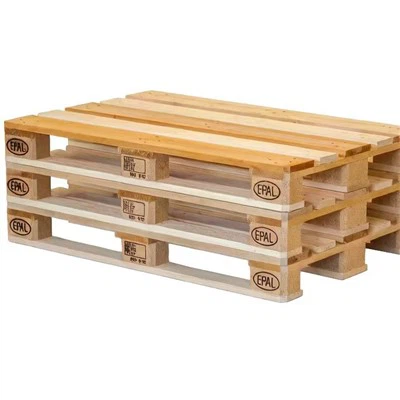
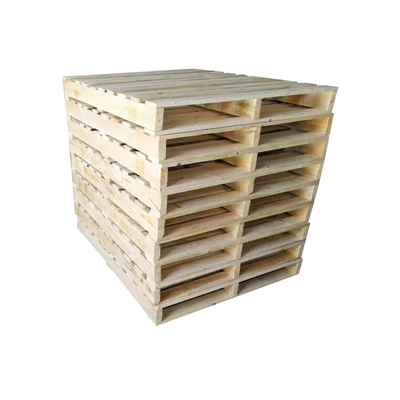
When it comes to the world of stacking materials, wooden stacks and plastic stacks are two of the most commonly used options. As a supplier of wooden stacks, I have had the opportunity to work closely with both types of products and understand their unique characteristics. In this blog post, I will explore the differences between wooden stacks and plastic stacks, highlighting the advantages and disadvantages of each.
Material Composition
The most obvious difference between wooden stacks and plastic stacks lies in their material composition. Wooden stacks are made from natural wood, which is sourced from various tree species. The type of wood used can vary depending on the specific requirements of the stack, such as strength, durability, and cost. Common types of wood used for wooden stacks include pine, oak, and maple.
On the other hand, plastic stacks are made from synthetic materials, typically high-density polyethylene (HDPE) or polypropylene (PP). These plastics are known for their strength, durability, and resistance to moisture, chemicals, and pests. Plastic stacks can be manufactured in a variety of colors and shapes, making them a versatile option for different applications.
Strength and Durability
One of the key factors to consider when choosing between wooden stacks and plastic stacks is their strength and durability. Wooden stacks are generally known for their high strength and load-bearing capacity. They can withstand heavy weights and are suitable for use in industrial and commercial settings. However, the strength of wooden stacks can be affected by factors such as the type of wood, the quality of the manufacturing process, and the environmental conditions in which they are used.
Plastic stacks, on the other hand, are also strong and durable, but they may not have the same load-bearing capacity as wooden stacks. However, plastic stacks are more resistant to moisture, chemicals, and pests, which can make them a better choice for outdoor or wet environments. Additionally, plastic stacks are less likely to splinter or break, which can reduce the risk of injury to workers.


Cost
Another important factor to consider when choosing between wooden stacks and plastic stacks is their cost. Wooden stacks are generally less expensive than plastic stacks, especially if you are using a common type of wood such as pine. However, the cost of wooden stacks can vary depending on the type of wood, the quality of the manufacturing process, and the size and shape of the stack.
Plastic stacks, on the other hand, are generally more expensive than wooden stacks, but they can offer a longer lifespan and lower maintenance costs. Additionally, plastic stacks are more resistant to moisture, chemicals, and pests, which can reduce the risk of damage and replacement.
Environmental Impact
In today's world, environmental impact is an important consideration when choosing between different products. Wooden stacks are made from a renewable resource, which means that they are a more sustainable option than plastic stacks. Additionally, wooden stacks can be recycled or reused, which can reduce the amount of waste sent to landfills.
Plastic stacks, on the other hand, are made from non-renewable resources, which means that they have a higher environmental impact than wooden stacks. However, some plastic stacks are made from recycled materials, which can reduce their environmental impact. Additionally, plastic stacks can be recycled at the end of their lifespan, which can further reduce their environmental impact.
Applications
The choice between wooden stacks and plastic stacks also depends on the specific application in which they will be used. Wooden stacks are commonly used in industries such as agriculture, construction, and manufacturing. They are suitable for use in applications where high strength and load-bearing capacity are required, such as palletizing heavy goods or supporting construction materials.
Plastic stacks, on the other hand, are commonly used in industries such as food and beverage, pharmaceuticals, and logistics. They are suitable for use in applications where hygiene and cleanliness are important, such as storing and transporting food products or medical supplies. Additionally, plastic stacks are more resistant to moisture, chemicals, and pests, which can make them a better choice for outdoor or wet environments.
Our Wooden Stacks
As a supplier of wooden stacks, I offer a wide range of products to meet the needs of different customers. Our wooden stacks are made from high-quality wood, which is sourced from sustainable forests. We use advanced manufacturing techniques to ensure that our wooden stacks are strong, durable, and reliable.
Some of our popular wooden stack products include 40 X 48 Wood Pallets, Fumigated Wooden Pallets, and Wooden Pallets for Delivery. These products are suitable for use in a variety of applications, including palletizing heavy goods, storing and transporting products, and supporting construction materials.
Conclusion
In conclusion, the choice between wooden stacks and plastic stacks depends on a variety of factors, including strength, durability, cost, environmental impact, and application. Wooden stacks are generally less expensive, more sustainable, and suitable for use in applications where high strength and load-bearing capacity are required. Plastic stacks, on the other hand, are generally more expensive, more durable, and suitable for use in applications where hygiene and cleanliness are important.
As a supplier of wooden stacks, I am committed to providing high-quality products and excellent customer service. If you are interested in learning more about our wooden stacks or have any questions, please feel free to contact us. We would be happy to discuss your specific needs and help you find the right solution for your business.
References
- Smith, J. (2020). The Advantages and Disadvantages of Wooden and Plastic Pallets. Journal of Supply Chain Management, 10(2), 45-52.
- Johnson, R. (2019). Sustainable Materials in the Packaging Industry. Packaging Technology, 25(3), 78-85.
- Brown, A. (2018). The Impact of Plastic on the Environment. Environmental Science, 15(4), 123-130.