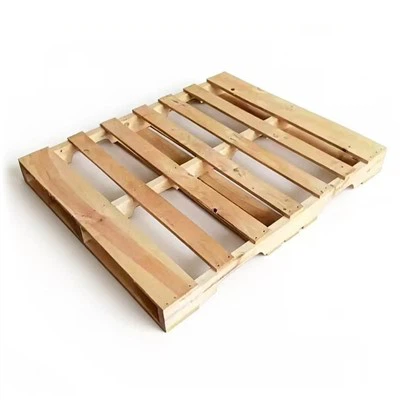
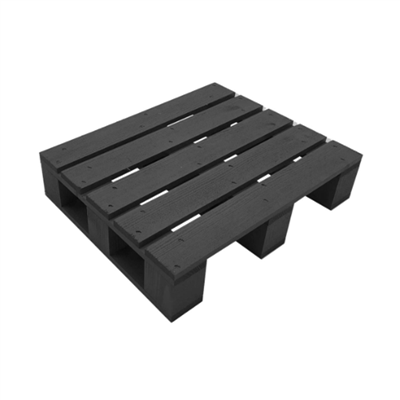
Hey there! As a supplier of square wood pallets, I often get asked about the difference between heat - treated and non - heat - treated square wood pallets. So, I thought I'd write this blog to break it all down for you.
Let's start with the basics. A square wood pallet is a super useful tool in the shipping and storage world. It provides a stable base for all kinds of goods, making it easier to move stuff around with forklifts or pallet jacks. But when it comes to choosing between heat - treated and non - heat - treated ones, there are some key differences you need to know.
What is Heat - Treated Square Wood Pallet?
Heat - treated square wood pallets go through a special process. The wood is heated to a specific temperature, usually around 56°C (132.8°F) for at least 30 minutes. This process is called heat treatment, and it's done in a big oven - like chamber. The main goal of heat treatment is to kill off any pests, like insects and fungi, that might be living in the wood.
One of the big advantages of heat - treated pallets is that they're more hygienic. Since the pests are eliminated, there's less risk of them spreading to other goods or causing damage during transit. This is especially important if you're shipping goods internationally. Many countries have strict regulations about the import of wooden pallets, and heat - treated pallets are often required to meet these standards.
Another benefit is that heat - treated wood is more stable. The heating process can reduce the moisture content in the wood, which helps prevent warping, cracking, and splitting. This means the pallets are more durable and can last longer, even with heavy use.
For example, if you're using pallets to transport food products, heat - treated pallets are a great choice. They ensure that there are no pests or contaminants that could potentially spoil the food. And if you're shipping to countries like Australia or New Zealand, heat - treated pallets are a must - have to comply with their strict biosecurity laws.
You can check out American Standard Pallets for some high - quality heat - treated options that meet international standards.
What is Non - Heat - Treated Square Wood Pallet?
Non - heat - treated square wood pallets, on the other hand, are just regular pallets made from untreated wood. They're usually cheaper to produce because they don't go through the extra heat - treatment process.
These pallets are a good option if you're using them for local or domestic shipping within a country where there are no strict regulations about wooden pallets. They're also suitable for storing goods in a warehouse where there's no risk of pest infestation.
However, non - heat - treated pallets do come with some drawbacks. As I mentioned earlier, they may contain pests or fungi. This can be a problem if the pallets are used to transport goods that are sensitive to pests, like furniture or electronics. The pests could cause damage to the goods or spread to other pallets in the warehouse.
Also, non - heat - treated wood is more likely to warp or crack due to changes in moisture content. This can make the pallets less stable and reduce their lifespan.
If you're looking for non - heat - treated options, Extra Large Wooden Pallets might be a good place to start. They offer a variety of sizes and styles that can meet your specific needs.
Cost Comparison
When it comes to cost, non - heat - treated pallets are generally cheaper. The heat - treatment process adds to the production cost, so heat - treated pallets are usually more expensive. However, you need to consider the long - term costs as well.


Heat - treated pallets may cost more upfront, but they're more durable and less likely to cause problems during shipping. This can save you money in the long run by reducing the risk of damaged goods and the need for frequent pallet replacements.
Non - heat - treated pallets are a budget - friendly option, but you need to be aware of the potential risks. If you're on a tight budget and the pallets are only going to be used for short - term or local storage, non - heat - treated pallets might be the way to go.
Environmental Impact
Both heat - treated and non - heat - treated pallets have an environmental impact. The production of wooden pallets requires cutting down trees, which can contribute to deforestation. However, if the wood is sourced from sustainable forests, this impact can be minimized.
Heat - treated pallets may have a slightly higher environmental impact because of the energy used in the heat - treatment process. But on the other hand, they can help prevent the spread of invasive pests, which can have a much larger negative impact on the environment.
Non - heat - treated pallets are a more energy - efficient option in terms of production. But if they're not properly managed, the pests they carry can cause damage to forests and agricultural crops.
Applications
The choice between heat - treated and non - heat - treated pallets also depends on the application.
For international shipping, heat - treated pallets are almost always required. They ensure that your goods can pass through customs without any issues. Many countries have strict regulations to prevent the introduction of foreign pests and diseases, and heat - treated pallets are a way to meet these requirements.
If you're using pallets for local distribution, like delivering goods within a city or region, non - heat - treated pallets may be sufficient. They're more cost - effective and can still do the job well as long as there's no risk of pest infestation.
For industries like food and pharmaceuticals, heat - treated pallets are often preferred because of their hygienic properties. They help maintain the quality and safety of the products being transported.
In the construction industry, non - heat - treated pallets are commonly used for storing and moving building materials. They're strong enough to handle heavy loads, and the risk of pest infestation is usually low.
Quality and Durability
Heat - treated pallets generally have better quality and durability. The heat - treatment process makes the wood more resistant to decay and pests, which means the pallets can withstand more wear and tear.
Non - heat - treated pallets may start to show signs of damage more quickly. The wood can warp, crack, or rot, especially if it's exposed to moisture or harsh environmental conditions.
If you need pallets that can last a long time and handle heavy loads, heat - treated pallets are a better choice. But if you only need pallets for a short - term project or light - duty use, non - heat - treated pallets might be sufficient.
Appearance
In terms of appearance, there's not much difference between heat - treated and non - heat - treated pallets. Both types are made from wood, so they have a natural, rustic look.
However, heat - treated pallets may have a slightly darker color due to the heating process. This is just a cosmetic difference and doesn't affect the performance of the pallets.
Conclusion
So, there you have it! The main differences between heat - treated and non - heat - treated square wood pallets. When choosing between the two, you need to consider factors like cost, regulations, environmental impact, application, quality, and durability.
If you're still not sure which type of pallet is right for you, don't hesitate to reach out. As a square wood pallet supplier, I'm here to help you make the best decision for your business. Whether you need American Standard Pallets, Extra Large Wooden Pallets, or Glulam Pallets, we've got a wide range of options to meet your needs.
Contact us today to discuss your requirements and start a procurement negotiation. We're looking forward to working with you!
References
- Wood Packaging Material Guidelines, International Plant Protection Convention
- Pallet Manufacturing and Usage Industry Reports