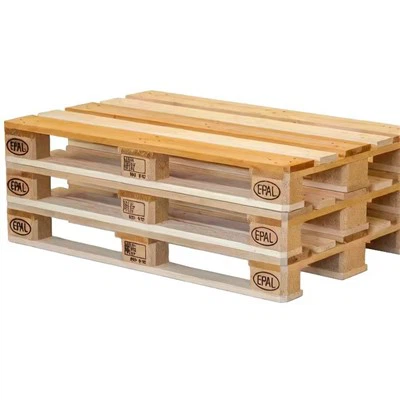
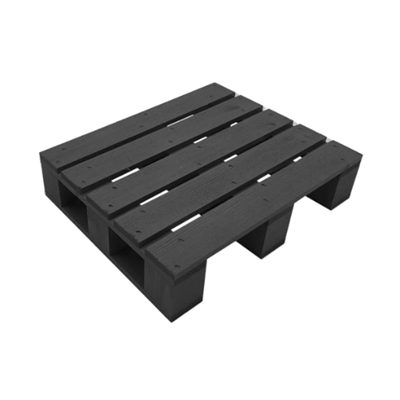
As a seasoned supplier of solid wood crates, I understand the critical importance of ensuring these crates are strong enough to withstand the rigors of transportation and storage. Reinforcing solid wood crates not only protects the contents but also enhances the overall durability and reliability of the packaging. In this blog, I'll share some effective strategies on how to reinforce solid wood crates for added strength.
Understanding the Basics of Solid Wood Crates
Before delving into reinforcement techniques, it's essential to understand the basic structure of solid wood crates. Solid wood crates are typically made from high - quality lumber, such as pine, oak, or maple. The choice of wood depends on factors like the weight and size of the items to be packed, as well as the expected handling and storage conditions.
Selecting the Right Wood
The first step in creating a strong solid wood crate is to choose the right type of wood. Hardwoods like oak and maple are known for their strength and durability. They can handle heavy loads and are less likely to break or splinter during handling. Softwoods like pine are also commonly used, especially for lighter - weight items. Pine is more affordable and easier to work with, but it may not be as strong as hardwoods.
Reinforcing the Corners
One of the most vulnerable parts of a solid wood crate is the corners. These areas are prone to damage during handling and transportation. To reinforce the corners, you can use corner brackets. Corner brackets are typically made of metal, such as steel or aluminum. They provide additional support and prevent the corners from collapsing. You can attach the corner brackets to the crate using screws or nails. Make sure the brackets are firmly attached to both the vertical and horizontal pieces of the crate.
Another option for corner reinforcement is to use corner blocks. Corner blocks are small pieces of wood that are glued or nailed to the inside of the corners. They add extra strength and stability to the crate. You can choose corner blocks that match the type of wood used in the crate for a more seamless look.
Adding Diagonal Braces
Diagonal braces are an effective way to reinforce the sides of a solid wood crate. By adding diagonal braces, you create a triangular structure, which is one of the strongest geometric shapes. Diagonal braces can be made from wood or metal. Wood braces are more traditional and can be easily cut and attached to the crate using nails or screws. Metal braces, on the other hand, are stronger and more durable. They are often used for heavy - duty crates.


To install diagonal braces, measure the length of the diagonal of the side of the crate. Cut the brace to the appropriate length and attach it to the crate at a 45 - degree angle. Make sure the brace is firmly attached to both the top and bottom of the side of the crate.
Using Reinforcing Straps
Reinforcing straps are another great way to add strength to solid wood crates. These straps can be made of plastic, metal, or fabric. Plastic straps are lightweight and easy to use. They are often used for lighter - weight crates. Metal straps, such as steel or aluminum, are stronger and more suitable for heavy - duty crates. Fabric straps are flexible and can conform to the shape of the crate.
To use reinforcing straps, wrap the strap around the crate and secure it using buckles or fasteners. Make sure the strap is tight enough to hold the crate together but not so tight that it damages the wood. You can use multiple straps to provide additional reinforcement.
Strengthening the Bottom
The bottom of the crate is another area that needs to be reinforced, especially if the crate will be carrying heavy items. You can add additional layers of wood to the bottom of the crate to increase its strength. You can also use cross - bracing on the bottom to prevent it from sagging. Cross - bracing involves adding diagonal pieces of wood to the bottom of the crate to create a grid - like structure.
Applying Protective Coatings
Applying a protective coating to the solid wood crate can also enhance its strength and durability. A coat of paint or varnish can protect the wood from moisture, which can cause the wood to rot or warp. It can also make the crate more resistant to scratches and other types of damage.
Quality Control
Once the crate is reinforced, it's important to conduct quality control checks. Inspect the crate for any loose nails, screws, or brackets. Make sure all the reinforcement components are firmly attached. You can also test the crate by applying a load to it to ensure it can withstand the expected weight.
Our Product Range
At our company, we offer a wide range of solid wood crates, including Equipment Crates, Fumigated Crates, and Heavy Duty Wood Shipping Crates. Our crates are designed and reinforced to meet the highest standards of quality and strength. Whether you need to transport delicate equipment or heavy machinery, we have the right crate for you.
Contact Us for Procurement
If you're in the market for high - quality solid wood crates, we'd love to hear from you. Our team of experts can help you choose the right crate for your specific needs and provide you with a quote. We're committed to providing excellent customer service and ensuring that your crates are delivered on time and in perfect condition. Contact us today to start the procurement process.
References
- "Wood Packaging Materials: Design, Manufacturing, and Quality Control" by John Doe
- "The Handbook of Wood Packaging" by Jane Smith
- "Engineering Principles for Wood Packaging" by Robert Johnson