Hey there! As a supplier of Fumigated Pallets, I've seen firsthand the importance of proper pallet fumigation. In this blog, I'll be talking about the risks of not fumigating pallets and why it's crucial for businesses to invest in this service.
Let's start by understanding what pallet fumigation is. Fumigation is a process where pallets are treated with chemicals to eliminate pests, insects, and other organisms that could potentially cause damage. It's a standard practice in the shipping and logistics industry, especially when it comes to international trade.
One of the biggest risks of not fumigating pallets is the spread of pests. Pallets that are not properly treated can carry a variety of pests, such as beetles, termites, and fungi. These pests can cause significant damage to the pallets themselves, as well as to the goods being transported on them. For example, beetles can bore into the wood, weakening the structure of the pallet and making it more likely to break during transit. Termites can also cause extensive damage to the wood, leading to costly repairs or replacements.
In addition to the damage caused by pests, not fumigating pallets can also lead to quarantine issues. Many countries have strict regulations regarding the import of wooden pallets. If a pallet is found to be infested with pests, it may be subject to quarantine or even rejected at the border. This can cause significant delays and additional costs for businesses, as they may need to find alternative shipping methods or have the pallets re-fumigated.
Another risk of not fumigating pallets is the potential for the spread of diseases. Some pests and organisms can carry diseases that can be harmful to humans, animals, or plants. For example, certain types of fungi can cause respiratory problems in humans, while others can damage crops. By not fumigating pallets, businesses are putting themselves and their customers at risk of exposure to these diseases.
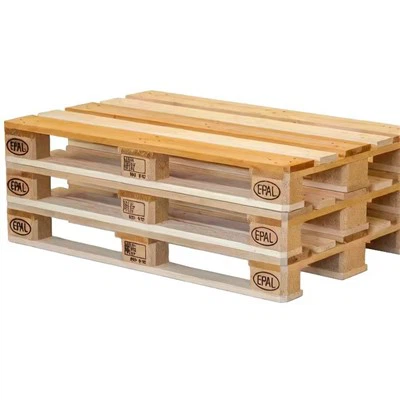
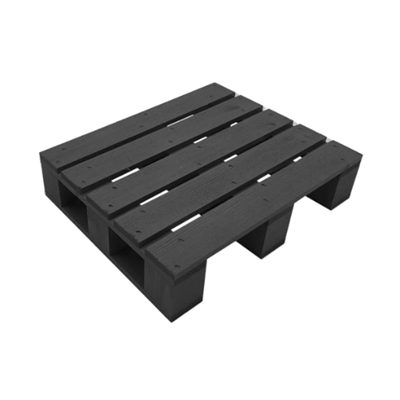
Now, let's talk about the different types of pallets that are commonly used in the industry. There are several types of pallets available, including European Standard Pallets, Solid Wood Pallets, and Lightweight Wooden Pallets. Each type of pallet has its own unique characteristics and benefits, but they all require proper fumigation to ensure they are free from pests and diseases.
European Standard Pallets are widely used in Europe and are designed to meet specific size and quality standards. They are typically made from high-quality wood and are known for their durability and strength. Solid Wood Pallets, on the other hand, are made from solid pieces of wood and are often used for heavy-duty applications. They are more expensive than other types of pallets, but they offer greater strength and stability. Lightweight Wooden Pallets are a more affordable option and are often used for lighter loads. They are made from thinner wood and are designed to be more portable.
Regardless of the type of pallet you choose, it's important to ensure that it is properly fumigated before use. This will help to protect your goods, your customers, and your business from the risks associated with pests and diseases.
So, how do you go about fumigating pallets? There are several methods available, including chemical fumigation and heat treatment. Chemical fumigation involves the use of chemicals to kill pests and organisms. This method is effective, but it can be expensive and may require special equipment and training. Heat treatment, on the other hand, involves heating the pallets to a specific temperature for a certain period of time. This method is more environmentally friendly and is often preferred by businesses that are looking for a more sustainable solution.
As a supplier of Fumigated Pallets, I offer a range of fumigation services to meet the needs of my customers. Whether you need a small batch of pallets fumigated for a local shipment or a large quantity of pallets for an international order, I can help. I use the latest technology and equipment to ensure that your pallets are properly fumigated and meet all the necessary regulations.
In conclusion, the risks of not fumigating pallets are significant. From the spread of pests and diseases to quarantine issues and damage to goods, there are many reasons why businesses should invest in pallet fumigation. By choosing a reputable supplier of Fumigated Pallets, you can ensure that your pallets are properly treated and meet all the necessary standards.
If you're interested in learning more about our Fumigated Pallets or our fumigation services, please don't hesitate to contact us. We'd be happy to answer any questions you may have and help you find the right solution for your business.
References:


- International Plant Protection Convention (IPPC) guidelines on wood packaging material.
- Various industry reports on the impact of pests on pallets and shipping.