As a supplier of Fumigated Crates, I understand the importance of proper storage to maintain the quality and integrity of these crates. Fumigated crates are widely used in international shipping to prevent the spread of pests and diseases. However, if not stored correctly, they can be damaged, reducing their effectiveness and potentially causing problems during transportation. In this blog, I will share some tips on how to store fumigated crates properly.
1. Choose the Right Storage Location
The first step in storing fumigated crates is to select an appropriate location. The storage area should be dry, well - ventilated, and protected from extreme weather conditions.
- Dry Environment: Moisture is one of the biggest enemies of wooden crates. High humidity can cause the wood to swell, warp, and even rot. Therefore, the storage location should have a low relative humidity. If possible, use a dehumidifier in the storage area to keep the humidity level below 60%.
- Good Ventilation: Proper ventilation helps to prevent the buildup of moisture and harmful gases. The storage area should have enough air circulation to ensure that any fumes from the fumigation process can dissipate. This can be achieved by installing vents or fans in the storage space.
- Protection from Weather: The storage area should be sheltered from rain, snow, and direct sunlight. Exposure to these elements can damage the wood and reduce the effectiveness of the fumigation treatment. A warehouse or a covered shed is an ideal storage location.
2. Stacking the Crates Correctly
How you stack the fumigated crates is crucial for their safety and longevity.
- Stable Base: Before stacking the crates, make sure the base is flat and stable. Uneven surfaces can cause the crates to topple over, leading to damage. You can use pallets or a level concrete floor as a base.
- Proper Stacking Pattern: Stack the crates in a way that distributes the weight evenly. Avoid stacking them too high, as this can increase the risk of collapse. A good rule of thumb is to stack the crates no more than 6 - 8 feet high. You can also use strapping or banding to secure the stacks and prevent them from shifting.
- Separation between Crates: Leave some space between the crates to allow for air circulation. This helps to prevent the buildup of moisture and reduces the risk of mold growth. A gap of at least 2 - 3 inches between each crate is recommended.
3. Inspect the Crates Regularly
Regular inspections are essential to ensure that the fumigated crates are in good condition.
- Visual Inspection: Check the crates for any signs of damage, such as cracks, splinters, or loose nails. If you find any damaged crates, remove them from the stack and repair or replace them as soon as possible.
- Fumigation Mark Inspection: Verify that the fumigation marks on the crates are still visible and legible. These marks are important as they indicate that the crates have been properly fumigated and meet the international standards for shipping.
- Pest Inspection: Look for any signs of pests, such as insects or larvae. If you detect any pests, take immediate action to treat the affected crates and prevent the infestation from spreading.
4. Consider the Shelf Life of Fumigation
Fumigation treatments have a limited shelf life. The effectiveness of the fumigant can decrease over time, especially if the crates are not stored properly.
- Follow the Manufacturer's Recommendations: Different fumigants have different shelf lives. Follow the manufacturer's instructions regarding the storage time and conditions for the fumigated crates.
- Re - fumigation: If the crates are going to be stored for an extended period, you may need to consider re - fumigating them before shipping. This ensures that the crates remain pest - free and compliant with international regulations.
5. Labeling and Documentation
Proper labeling and documentation are important for tracking and identification purposes.
- Label the Crates: Clearly label each crate with information such as the date of fumigation, the type of fumigant used, and the destination. This helps to ensure that the crates are handled correctly and that they are used within the appropriate time frame.
- Keep Records: Maintain detailed records of the fumigation process, including the date, time, fumigant used, and the quantity of crates treated. These records can be useful for compliance purposes and for providing information to customers.
6. Compatibility with Other Materials
When storing fumigated crates, consider their compatibility with other materials in the storage area.
- Avoid Chemical Reactions: Some chemicals or substances in the storage area may react with the fumigant or the wood of the crates. Keep the crates away from sources of heat, flames, and other reactive materials.
- Separate from Non - fumigated Items: To prevent cross - contamination, store the fumigated crates separately from non - fumigated items. This ensures that the non - fumigated items remain pest - free.
7. Use of Appropriate Storage Equipment
Using the right storage equipment can make the storage process more efficient and safer.
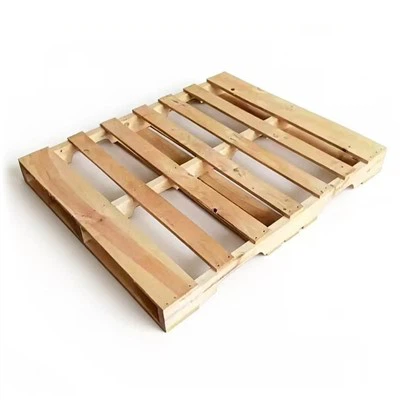
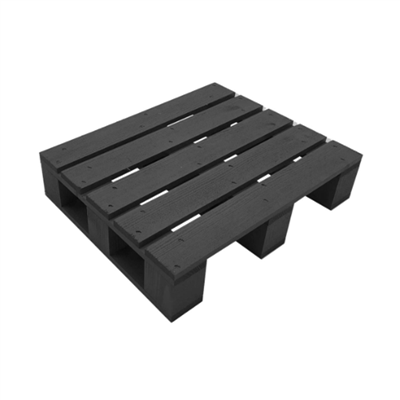
- Pallets: Pallets are a great way to lift the crates off the ground and improve air circulation. They also make it easier to move the crates using forklifts or pallet jacks.
- Racking Systems: If you have a large number of crates to store, consider using a racking system. Racking systems can help to maximize the storage space and keep the crates organized.
Conclusion
Proper storage of fumigated crates is essential to maintain their quality and effectiveness. By choosing the right storage location, stacking the crates correctly, inspecting them regularly, considering the shelf life of fumigation, labeling and documenting, ensuring compatibility with other materials, and using appropriate storage equipment, you can ensure that your fumigated crates are in good condition when it comes time to ship them.
If you are in the market for high - quality Fumigated Crates, Solid Wood Crates, or Fumigation - free Crates, I invite you to contact me for a detailed discussion. I am committed to providing you with the best products and services to meet your shipping needs.


References
- International Plant Protection Convention (IPPC) guidelines on wood packaging materials.
- Wood Packaging Material Handbook, various editions.
- Manufacturer's instructions for fumigants used in the fumigation process.