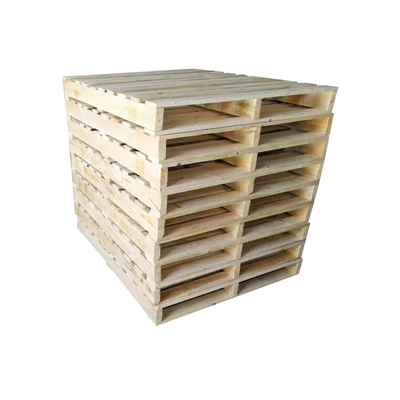
As a solid wood pallets supplier, I often get asked about the load distribution on solid wood pallets. It's a crucial topic, especially for businesses that rely on these pallets for shipping and storage. In this blog, I'll share some insights into what load distribution on solid wood pallets is all about, why it matters, and how you can ensure proper load distribution.
What is Load Distribution on Solid Wood Pallets?
Load distribution refers to how the weight of the goods placed on a pallet is spread across its surface. When you stack items on a solid wood pallet, the weight needs to be evenly distributed to prevent damage to the pallet and ensure the safety of the goods during handling and transportation.
Imagine you're loading a pallet with heavy boxes. If you pile all the boxes in one corner, the pallet will be under a lot of stress in that area. This can cause the wood to break or warp, leading to the collapse of the pallet and potentially damaging the goods. On the other hand, if you distribute the weight evenly across the pallet, it can better support the load and remain stable.
Why Does Load Distribution Matter?
There are several reasons why proper load distribution is important when using solid wood pallets:
1. Pallet Durability
Solid wood pallets are designed to withstand a certain amount of weight. When the load is evenly distributed, the stress on the pallet is spread out, reducing the risk of damage. This means the pallet can be used multiple times, saving you money in the long run.
2. Safety
Uneven load distribution can make the pallet unstable, increasing the risk of accidents during handling. Forklifts and other equipment may have difficulty lifting and moving a pallet with an uneven load, which can lead to spills and injuries. By ensuring proper load distribution, you can create a safer working environment.
3. Goods Protection
The way you distribute the load on a pallet can also affect the integrity of the goods. If the weight is concentrated in one area, it can cause the boxes or products to shift or break. Even load distribution helps keep the goods in place and reduces the likelihood of damage during transit.
Factors Affecting Load Distribution
Several factors can influence how the load is distributed on a solid wood pallet:
1. Pallet Design
The design of the pallet plays a significant role in load distribution. Different pallet designs, such as Round Wood Pallet and Solid Wood Pallets, have different load-bearing capacities and distribution patterns. For example, a pallet with more support boards or a stronger frame can handle a heavier load and distribute it more evenly.
2. Goods Placement
How you place the goods on the pallet is crucial. You should try to stack the boxes or products in a way that spreads the weight evenly. For example, you can use a pattern like a pyramid or a grid to ensure that the load is balanced. Avoid placing heavy items on one side or in the corners of the pallet.


3. Pallet Condition
The condition of the pallet also affects load distribution. A damaged or worn-out pallet may not be able to support the load properly, even if the weight is evenly distributed. It's important to inspect the pallets regularly and replace any that are damaged or have signs of wear.
Tips for Ensuring Proper Load Distribution
Here are some tips to help you ensure proper load distribution on solid wood pallets:
1. Plan the Load
Before you start loading the pallet, take a few minutes to plan how you will place the goods. Consider the size, weight, and shape of the items, and try to create a balanced load. You can use a diagram or a template to help you visualize the placement.
2. Use Proper Stacking Techniques
There are several stacking techniques you can use to ensure even load distribution. For example, you can use a block stacking method, where you stack the boxes in a square or rectangular pattern. This helps to distribute the weight evenly across the pallet. Another technique is to use a column stacking method, where you stack the boxes in columns. This can be useful for tall or unstable items.
3. Secure the Load
Once you have loaded the pallet, it's important to secure the load to prevent it from shifting during transportation. You can use straps, shrink wrap, or other securing methods to keep the goods in place. Make sure the straps are tight and the shrink wrap is properly applied.
4. Choose the Right Pallet
Selecting the right pallet for your load is essential. Consider the weight, size, and shape of the goods, as well as the type of transportation and handling equipment you will be using. Solid Wood Pallets are a popular choice for heavy loads, while Lightweight Wooden Pallets may be more suitable for lighter loads.
Conclusion
Load distribution on solid wood pallets is a critical aspect of shipping and storage. By understanding what load distribution is, why it matters, and how to ensure proper load distribution, you can protect your pallets, your goods, and your employees. Remember to plan the load, use proper stacking techniques, secure the load, and choose the right pallet for your needs.
If you're in the market for high-quality solid wood pallets or need more information about load distribution, feel free to reach out. We're here to help you find the best solutions for your business. Let's start a conversation about your pallet requirements and see how we can work together to optimize your shipping and storage processes.
References
- Wood Packaging Handbook
- Pallet Manufacturing and Design Guidelines