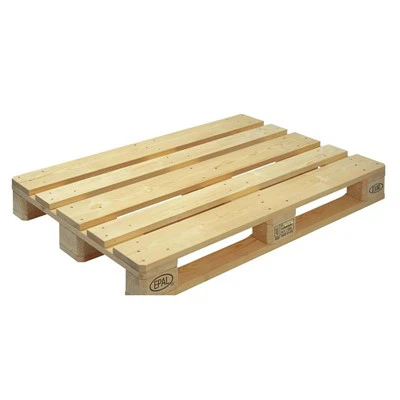
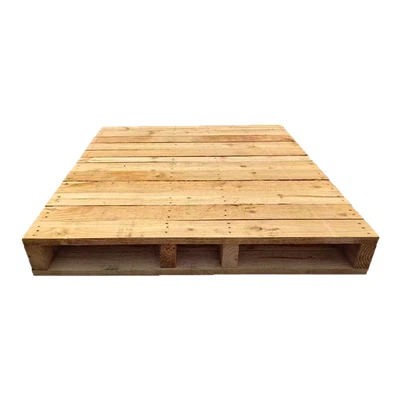
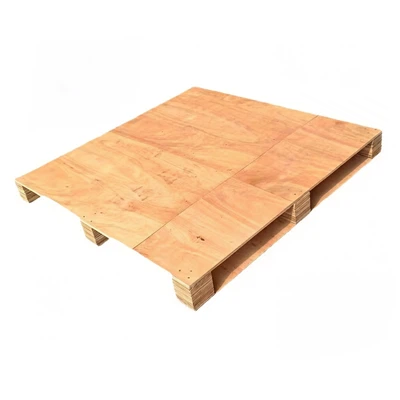
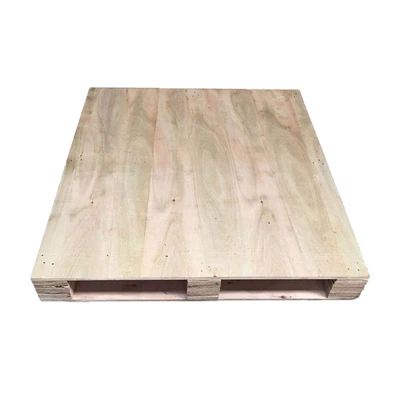
In modern logistics and export packaging systems, plywood pallets are widely used due to their structural stability and strong compliance performance. For buyers, understanding their core functions helps optimize selection and improve overall supply chain efficiency.
First, the primary function of plywood pallets is standardized load handling and unitized transport. Their uniform structure consolidates goods into a single unit, improving loading and unloading efficiency while reducing manual handling.
Second, in export logistics, plywood pallets do not require fumigation and comply with international phytosanitary standards, significantly shortening customs clearance time and improving cross-border shipping efficiency, especially for time-sensitive exports.
Third, in warehousing, their stable and deformation-resistant structure makes them suitable for high-density stacking and long-term storage, helping improve warehouse space utilization and management efficiency.
Additionally, during transportation, plywood pallets provide balanced load distribution, effectively reducing vibration and minimizing cargo damage risks, ensuring safer delivery.
Overall, the key functions of plywood pallets lie in unitized handling, export compliance, warehouse optimization, and transport protection, making them an essential logistics tool that balances efficiency and safety in modern supply chains.