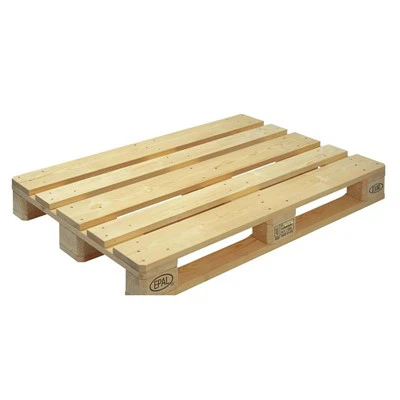
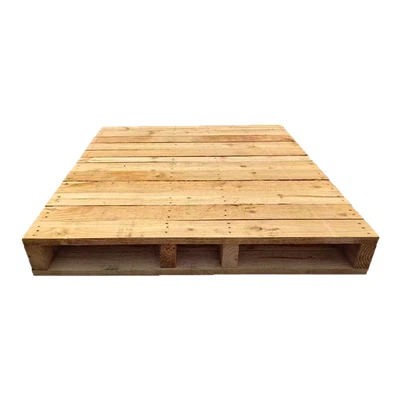
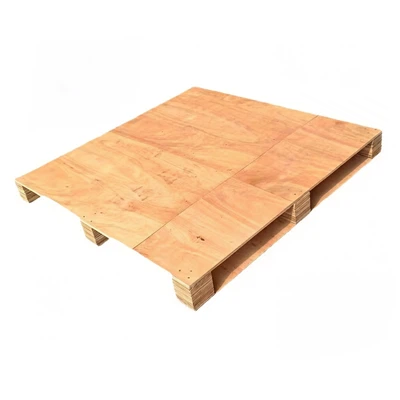
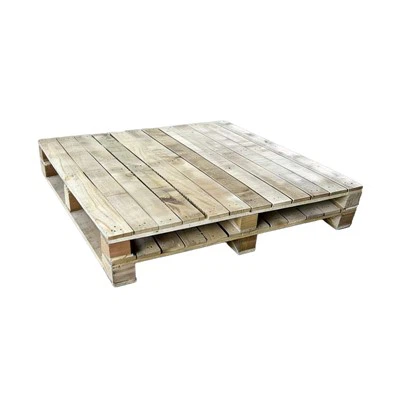
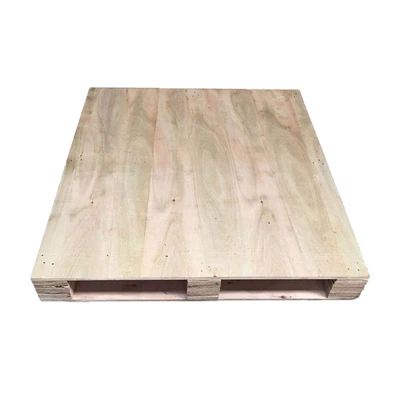
In modern supply chain and warehousing systems, wooden pallets serve as essential load-bearing tools that support the entire process from production to storage and transportation, playing a vital role in improving logistics efficiency. For buyers, understanding their core functions helps optimize selection and cost control.
First, the primary function of wooden pallets is to consolidate and stabilize cargo. Through standardized structures, loose goods are unitized, weight is evenly distributed, and damage risks during transport are significantly reduced.
Second, in loading and unloading operations, pallets enable efficient material handling. Their design allows seamless integration with forklifts, pallet trucks, and automated systems, enabling fast transfer and reducing manual labor, thereby improving operational efficiency.
Third, in warehousing, pallets support stacking and vertical storage, improving space utilization and enabling organized inventory management and batch turnover.
In transportation, wooden pallets standardize cargo into unit loads, reducing handling frequency, lowering damage rates, and streamlining the logistics process.
In cross-border logistics, compliant pallets also meet inspection and customs requirements, ensuring smooth and regulated international shipping.
Overall, the key functions of wooden pallets lie in load-bearing, handling, storage, and unitization, making them an indispensable component of modern logistics systems.