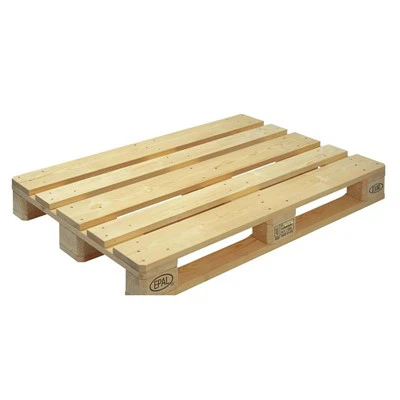
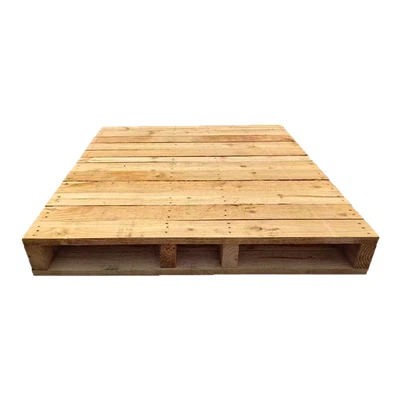
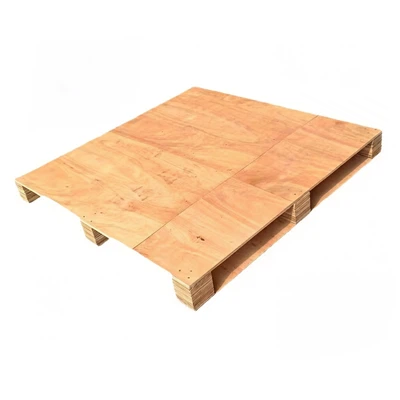
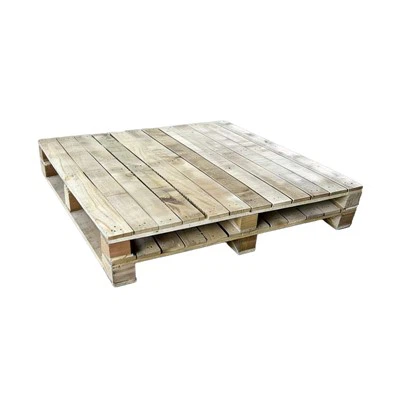
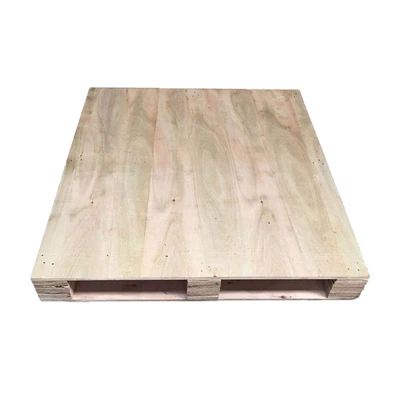
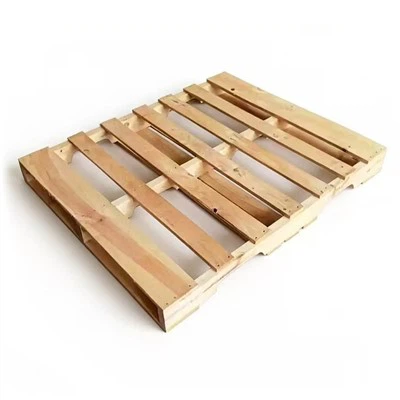
In modern logistics and industrial transportation systems, freight wooden crates are widely used as standard outer packaging for cargo protection and transport. Their structural design focuses on safety and practicality. For buyers, understanding their key characteristics helps optimize shipping solutions and reduce cargo damage risks.
Structurally, freight wooden crates are typically composed of a frame, panels, and reinforcement components. The frame provides overall support, panels create the protective enclosure, and reinforcement parts enhance compressive and impact resistance.
In terms of structure types, they are commonly divided into closed and open-frame designs. Closed crates offer stronger protection and are suitable for precision equipment and high-value goods, while open-frame crates are lighter and easier to handle, making them ideal for large machinery or irregular cargo.

For performance, freight wooden crates provide high structural stability and load-bearing capacity, enabling them to withstand vibration, stacking pressure, and handling impact during long-distance transport, effectively reducing cargo damage risks.
In terms of adaptability, they can be customized according to cargo size and transport requirements, with options for moisture resistance, shock protection, and internal lining to meet different logistics conditions.
In export transport, freight wooden crates must comply with international phytosanitary standards, typically through heat treatment or fumigation, ensuring regulatory compliance and smooth customs clearance.
Overall, the key characteristics of freight wooden crates include strong structure, high protection, flexible adaptability, and regulatory compliance, making them an essential safe transport solution in modern logistics systems.