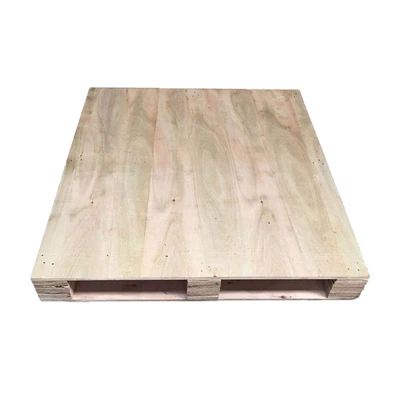
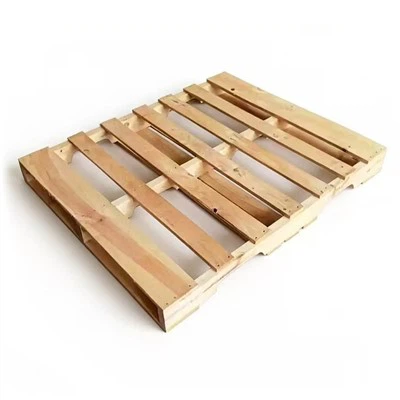
In international logistics and industrial packaging systems, fumigated wooden crates are an important form of export packaging made from solid wood that has undergone compliant treatment. Their structural design balances protection performance with international phytosanitary requirements, making them widely used for heavy machinery and high-value cargo transport.
Structurally, fumigated wooden crates typically consist of a frame, solid wood panels, and internal reinforcement components. The frame serves as the primary load-bearing structure, determining overall stability; panels form a closed protective enclosure; and reinforcement components enhance compressive and impact resistance.
In terms of materials and treatment, these crates are made from natural softwoods such as pine or poplar and undergo fumigation or heat treatment to eliminate harmful organisms, complying with international phytosanitary standards such as ISPM 15 and ensuring export compliance.

Design-wise, fumigated crates often use nailed or metal-fastened reinforcement structures, providing strong stability to withstand vibration, stacking pressure, and handling impact during long-distance transport, thereby reducing cargo damage risks.
For protection performance, their enclosed structure provides dust and moisture resistance, and can be equipped with internal cushioning or shockproof materials to suit precision instruments or fragile goods.
In terms of adaptability, they can be customized according to cargo size and weight, making them suitable for machinery, industrial components, and bulk export shipments.
Overall, the structural features of fumigated wooden crates focus on compliance treatment, structural stability, and high-level protection, making them a key packaging solution that balances safety and regulatory requirements in export logistics.