In industrial transport and export packaging, the choice of wooden crate type has a direct impact on cargo safety, handling efficiency, and overall cost. For buyers, understanding the structural differences and use cases of each type is essential for making informed decisions.
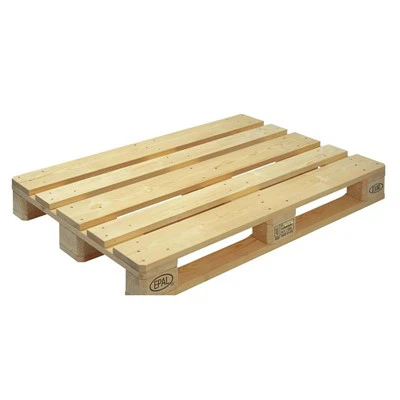
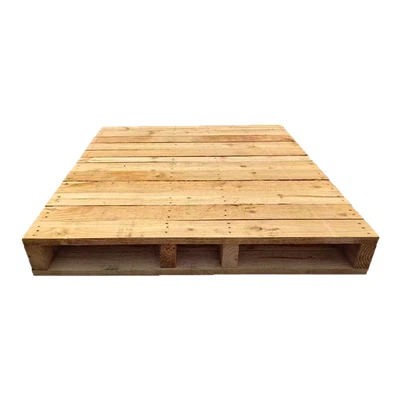
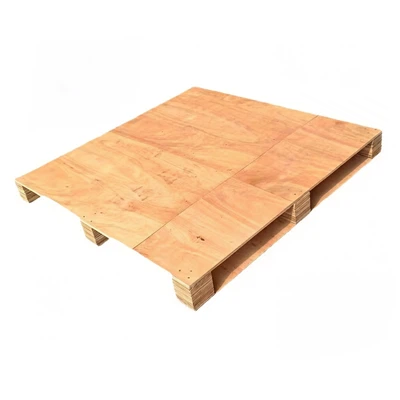
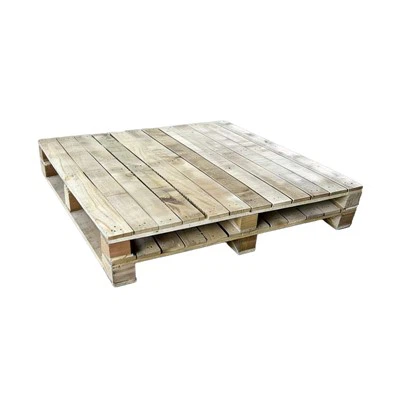
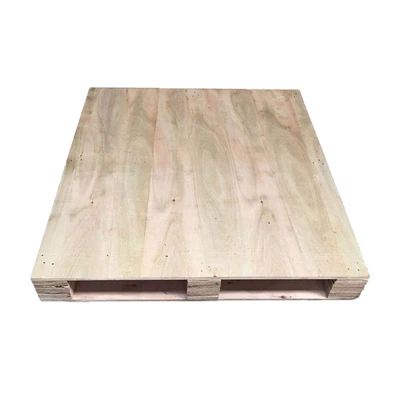
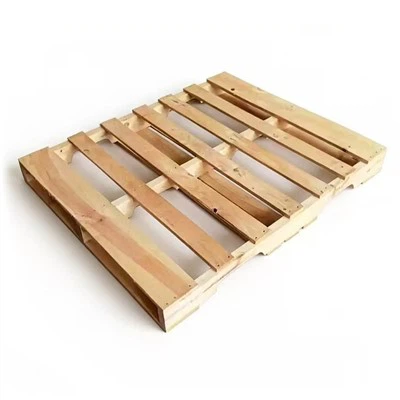
From a structural perspective, wooden crates can be categorized into closed crates, open-frame crates, and collapsible (panel) crates. Closed crates provide full enclosure and strong protection, making them ideal for precision equipment and high-value goods. Open-frame crates use a skeletal structure, offering reduced weight and easier handling, and are commonly used for large machinery. Collapsible crates consist of a pallet base with removable panels, allowing for repeated use and efficient return logistics, making them suitable for high-turnover operations.
From a functional standpoint, wooden crates can also be divided into standard and reinforced types. Standard crates are used for general cargo, while reinforced crates include additional supports or stronger fastening methods to handle heavy loads or goods requiring extra stability.
In terms of customization, wooden crates can be tailored based on cargo size, weight, and transportation method. Features such as internal cushioning, moisture protection, and shock-resistant design can be added to meet specific protection requirements.
Overall, different types of wooden crates vary in protection level, cost, and operational efficiency. Buyers should select the most suitable option based on their specific application needs to achieve an optimal balance between safety and cost.