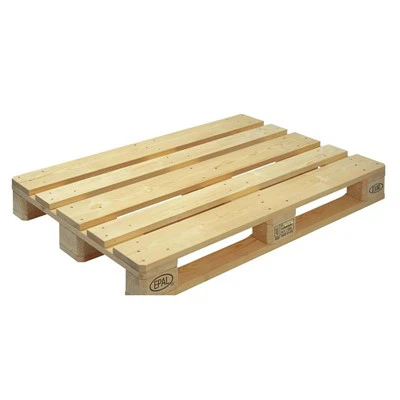
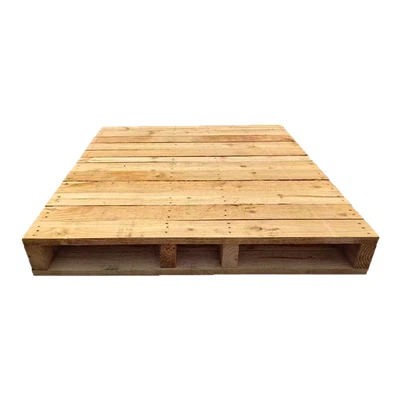
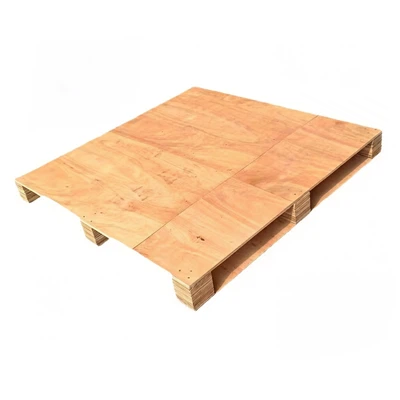
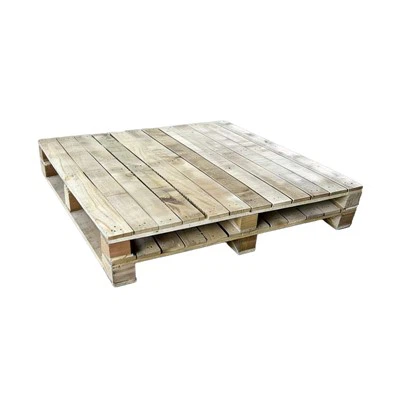
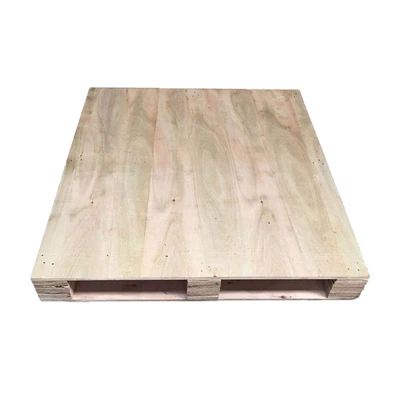
In modern warehousing and logistics systems, the working principle of wooden pallets is based on three core functions: load distribution, mechanical compatibility, and process integration. For buyers, understanding this mechanism helps improve procurement decisions and overall operational efficiency.
First, in terms of load handling, wooden pallets distribute cargo weight evenly across deck boards and support structures, reducing localized pressure and improving overall stability. This distributed load system helps minimize damage risks during stacking and transportation.
Second, in equipment compatibility, standardized pallet dimensions and structural designs allow seamless integration with forklifts, pallet jacks, and automated conveyor systems. Two-way or four-way entry designs enable fast loading and efficient handling.
Third, within logistics operations, wooden pallets serve as a basic unit for standardized flow across production, warehousing, and transportation. Through unitized handling, manual operations are reduced, efficiency is improved, and overall logistics costs are lowered.
In addition, their structural stability supports stacking storage, maximizing warehouse space utilization, especially in high-turnover and large-scale operations.
Overall, the working principle of wooden pallets is centered on structural load support, equipment coordination, and standardized logistics flow, making them an essential infrastructure component in modern supply chains.